Introduction
Student life is often busy, stressful, and full of responsibilities. Between classes, assignments, exams, and part-time work, many students struggle to maintain healthy eating habits. Because of limited budgets and busy schedules, students often depend on fast food, instant noodles, sugary drinks, or packaged snacks. While these foods may feel convenient, eating them regularly can affect energy, focus, digestion, and overall health.
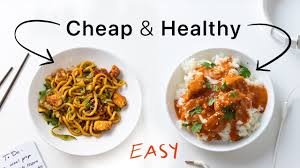
The good news is that healthy eating does not need to be expensive or complicated. Many simple homemade meals are affordable, nutritious, and easy to prepare even for beginners. With a little planning, students can enjoy healthy food without spending too much money.
Following budget-friendly healthy recipes for students can help improve energy levels, support concentration, and maintain better health during busy academic life.
At Nutri Meal Food, we believe healthy eating should feel simple, practical, and affordable for everyone.
Why Healthy Eating Matters for Students
Students need proper nutrition to stay focused and active throughout the day. Poor eating habits can lead to tiredness, low concentration, and reduced productivity.

Healthy meals provide your body with energy, protein, vitamins, and nutrients that support both physical and mental performance. Eating balanced meals can also improve mood and help students stay more productive during studies.
Healthy food is not only important for physical health. It also supports better focus and mental performance.
Simple Oats Breakfast
Oats are one of the most affordable and healthy breakfast options for students.
They are quick to prepare, filling, and rich in fiber. Oats can help maintain energy levels throughout the morning without making you feel heavy.
You can prepare oats with milk or water and add banana, apple, or nuts for extra flavor and nutrition.
This breakfast is simple, affordable, and ideal for busy mornings.
Vegetable Poha for Quick Meals
Poha is a budget-friendly recipe that many students can prepare easily at home.
Adding vegetables like peas, onions, tomatoes, or carrots can make poha healthier and more nutritious. It is light, easy to digest, and provides enough energy for daily activities.
Poha is also quick to cook, which makes it perfect for students with limited time.
Homemade Egg Sandwich
Eggs are one of the best affordable protein sources for students.
A simple homemade egg sandwich can be prepared in just a few minutes and provides protein and energy to help you stay active throughout the day.
Using whole wheat bread with boiled or scrambled eggs makes the meal more balanced and filling.
This is a healthier and cheaper option compared to ordering fast food.
Dal and Rice for Balanced Nutrition
Dal and rice are simple homemade foods that provide balanced nutrition at a low cost.
Dal contains protein and important nutrients, while rice provides energy through carbohydrates. Adding vegetables or curd can make the meal even healthier.
This combination is affordable, filling, and commonly available in many homes.
Students do not need expensive meals to eat healthy.
Vegetable Khichdi for Easy Digestion
Khichdi is one of the easiest healthy meals for students to prepare.
It requires basic ingredients like rice, dal, and vegetables. Khichdi is simple, affordable, and easy to digest, making it a good option during busy or stressful days.
Students who are new to cooking often find khichdi easy because it does not require complicated preparation.
Banana and Peanut Butter Snack
Healthy snacks do not need to be expensive.
Bananas are affordable and provide natural energy, while peanut butter adds healthy fats and protein. Together, they create a filling and nutritious snack for students.
This snack is quick to prepare and can help reduce unhealthy cravings during study sessions.
Simple Vegetable Salad
A basic vegetable salad is one of the easiest ways to add nutrition to your meals.
Using affordable vegetables like cucumber, tomato, onion, and carrot can create a fresh and healthy side dish. Adding lemon juice can improve the taste naturally.
Salads support digestion and provide important vitamins without increasing food expenses too much.
Homemade Smoothies Instead of Sugary Drinks
Many students spend money on soft drinks or packaged beverages that contain too much sugar.
Homemade smoothies are healthier and often more affordable. You can blend milk, banana, oats, or fruits together to create a quick and nutritious drink.
Smoothies can help maintain energy levels while providing important nutrients.
Chickpea Chaat for Protein
Boiled chickpeas are affordable and rich in protein and fiber.
A simple chickpea chaat with onions, tomatoes, lemon, and spices creates a healthy snack or light meal for students.
This recipe is filling, nutritious, and easy to prepare at home.
Importance of Drinking Enough Water
Many students focus only on food and forget the importance of hydration.
Not drinking enough water may cause tiredness, headaches, and low concentration. Drinking enough water throughout the day supports both physical and mental performance.
Carrying a water bottle during classes can help build better hydration habits.
Simple hydration habits can improve focus naturally.
Avoid Too Much Fast Food
Fast food may feel convenient for students, but eating it regularly can affect energy levels and health.
Processed foods often contain extra oil, unhealthy fats, and preservatives. While occasional fast food is completely fine, depending on it daily is not ideal.
Preparing simple meals at home is usually healthier and more affordable.
Healthy eating becomes easier when students keep basic ingredients available at home.
Meal Planning Helps Save Money
Planning meals in advance can help students avoid unnecessary spending.
Buying basic ingredients like rice, dal, oats, eggs, vegetables, and fruits in proper amounts can reduce food costs and support healthier eating habits.
Meal planning also reduces food waste and makes daily cooking easier.
Students do not need expensive ingredients for healthy meals.
Healthy Snacking Habits
Many students eat chips or sugary snacks while studying because they are easily available.
Replacing some unhealthy snacks with healthier alternatives can improve energy and concentration naturally.
Simple snacks like fruits, nuts, roasted chana, yogurt, or boiled eggs are affordable and more nutritious.
Healthy snacks help maintain stable energy during long study hours.
Home Cooking is Better for Students
Learning simple cooking skills can help students save money and eat healthier.
Home-cooked meals usually contain fresher ingredients and less unhealthy oil compared to outside food. Cooking at home also allows students to control portion sizes and ingredients.
Students do not need advanced cooking skills to prepare healthy meals. Even simple recipes can provide good nutrition.
Importance of Balanced Meals
A balanced meal should include carbohydrates, protein, healthy fats, and vegetables whenever possible.
Rice, roti, oats, eggs, dal, vegetables, fruits, and curd are affordable foods that can help create balanced meals for students.
Balanced nutrition supports better focus, energy, and overall health during academic life.
Build Healthy Habits Slowly
Many students try to completely change their eating habits overnight, which often becomes difficult to maintain.
Healthy living works better when small changes are made gradually. Drinking more water, reducing sugary drinks, or preparing simple homemade meals are realistic improvements that can create long-term benefits.
Consistency matters more than perfection.
Final Thoughts
Following budget-friendly healthy recipes for students can help improve energy, concentration, and overall health without creating financial stress. Healthy eating does not require expensive ingredients or difficult recipes.
Simple meals like oats, dal, rice, eggs, vegetables, smoothies, and homemade snacks can provide balanced nutrition while staying affordable.
At Nutri Meal Food, we believe students should have access to practical and healthy food ideas that fit into real life. Small healthy habits and simple homemade meals can create meaningful improvements over time.
With consistency and smart choices, students can stay healthy, active, and focused while managing their studies and daily responsibilities.