
In today’s fast-paced world, maintaining a healthy meal plan for busy working professionals can feel challenging. Long office hours, meetings, deadlines, commuting, and personal responsibilities often leave little time for mindful eating. As a result, many professionals rely on fast food, processed snacks, or irregular meals that negatively impact energy levels, productivity, and overall health. However, with proper planning, smart grocery choices, and simple meal preparation strategies, it is entirely possible to follow a healthy diet plan even with a hectic schedule. A well-structured healthy meal plan supports sustained energy, mental clarity, weight management, and long-term wellness. This comprehensive guide explores balanced nutrition for professionals, easy meal prep ideas, quick healthy recipes, and practical tips to build sustainable eating habits without compromising work performance.
Why Busy Professionals Need a Structured Healthy Meal Plan
Working professionals often skip breakfast, eat lunch at their desks, and opt for convenience foods during late evenings. This pattern leads to energy crashes, poor concentration, digestive issues, and weight gain. A healthy meal plan for office workers ensures balanced intake of macronutrients including carbohydrates, proteins, and healthy fats along with essential vitamins and minerals. Proper nutrition stabilizes blood sugar levels, reduces stress-related cravings, and enhances cognitive function. When meals are planned in advance, it becomes easier to avoid unhealthy snacking and impulsive food choices. Healthy eating for busy schedules is not about strict dieting but about smart preparation and consistency. Structured meal planning allows professionals to save time, reduce stress, and improve overall well-being.
Core Principles of a Healthy Diet Plan for Working Professionals
A sustainable healthy meal plan focuses on balance, portion control, and nutrient density. Complex carbohydrates such as whole grains provide steady energy throughout the day. Lean proteins including lentils, eggs, chicken, fish, tofu, and paneer support muscle maintenance and satiety. Healthy fats from nuts, seeds, olive oil, and avocados improve heart health and brain function. Fiber-rich vegetables and fruits enhance digestion and immunity. Hydration is equally important, as dehydration can cause fatigue and decreased productivity.
Meal timing also plays a crucial role. Eating every three to four hours helps maintain energy levels and prevents overeating later in the day. A balanced breakfast, a nourishing lunch, light evening snacks, and a wholesome dinner form the foundation of a practical healthy meal plan for busy professionals.
Healthy Breakfast Ideas for Busy Mornings
Breakfast fuels the body and mind after overnight fasting. Skipping breakfast often leads to overeating later in the day. Quick healthy breakfast options save time while delivering essential nutrients. Oatmeal topped with nuts, seeds, and fruits is a fiber-rich option that can be prepared in minutes. Overnight oats prepared the night before make mornings even easier. Vegetable omelet with whole grain toast provides protein and complex carbohydrates for sustained energy. Greek yogurt with chia seeds and berries is another quick and nutritious breakfast idea. Smoothies made with spinach, banana, peanut butter, and protein powder offer a portable option for professionals who commute early.
Including protein in breakfast helps maintain satiety and supports focus during morning meetings. Healthy breakfast for working professionals should be simple, balanced, and easy to prepare in less than fifteen minutes.
Smart Lunch Planning for Office Workers
Lunch is often the most neglected meal among busy professionals. Ordering takeout daily can lead to excessive calorie intake and poor nutrition. Preparing healthy office lunch ideas in advance ensures balanced eating. Brown rice or quinoa paired with grilled chicken or tofu and sautéed vegetables creates a wholesome meal. Lentil curry with whole wheat roti offers plant-based protein and fiber. Chickpea salad with cucumbers, tomatoes, olive oil, and lemon juice provides a refreshing and nutrient-dense option.
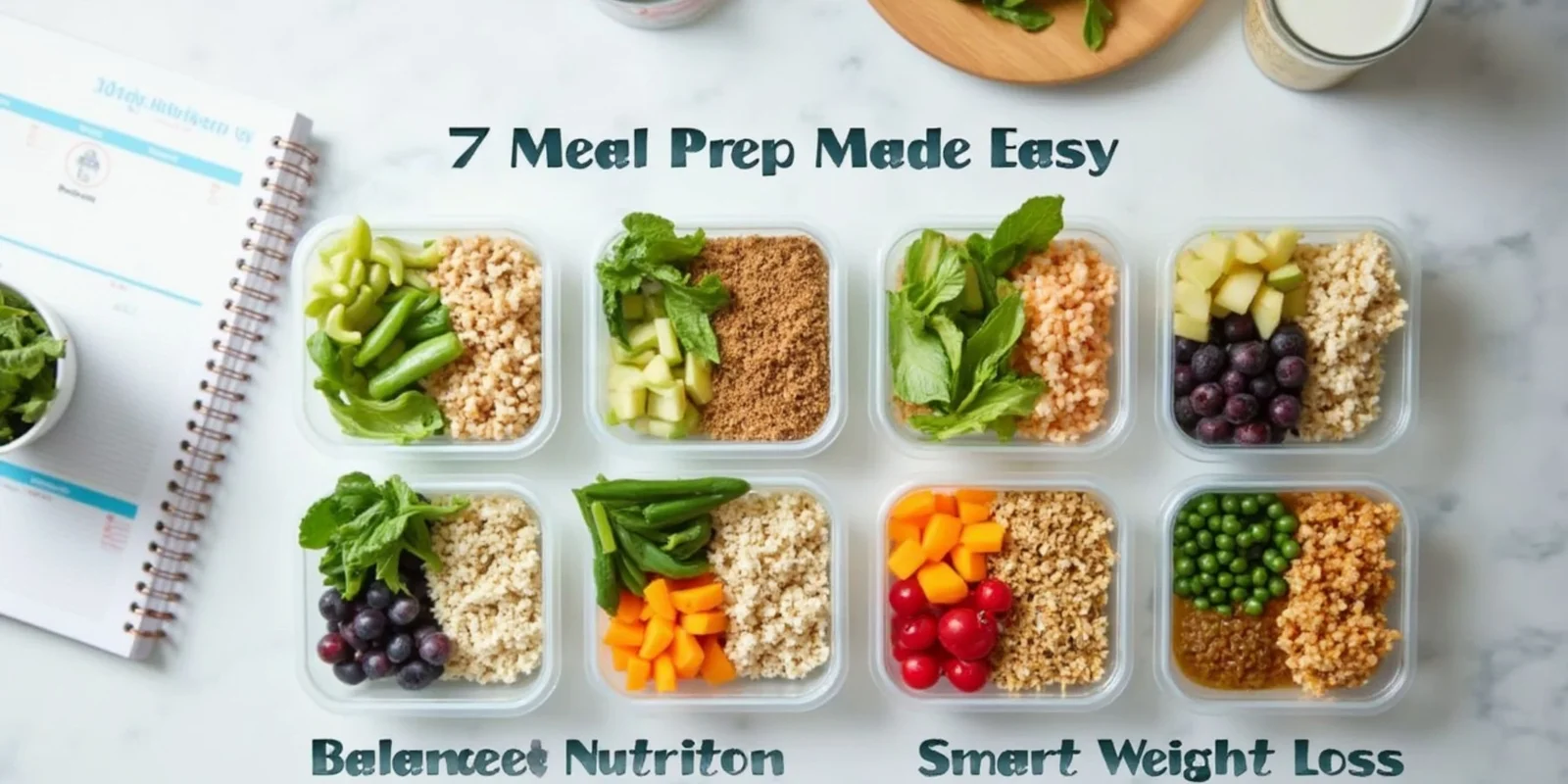
Meal prep for professionals can be done on weekends by cooking grains, proteins, and vegetables in batches. Storing them in portioned containers allows easy assembly during the week. Balanced lunch ideas should include protein, fiber, and healthy fats to prevent afternoon energy crashes.
Healthy Snacks to Boost Productivity
Snacking is often necessary during long work hours, but unhealthy choices like chips and sugary treats can cause rapid blood sugar spikes and crashes. Healthy snack ideas for busy professionals include roasted nuts, mixed seeds, fresh fruits, boiled eggs, hummus with carrot sticks, and yogurt with flaxseeds. Energy balls made from dates and nuts can be prepared in advance for convenient snacking.
Keeping nutritious snacks at your desk reduces the temptation to purchase processed foods. Healthy snacking supports sustained focus and prevents overeating at dinner. Choosing protein-rich and fiber-rich snacks is key to maintaining steady energy levels throughout the day.
Light and Nutritious Dinner Ideas
After a long workday, preparing elaborate meals may feel exhausting. However, dinner should remain balanced and not overly heavy. Grilled fish with steamed vegetables is a light yet satisfying option. Stir-fried tofu with broccoli and bell peppers provides plant-based protein. Vegetable soup with whole grain bread is easy to digest and comforting. Quinoa salad with chickpeas and spinach offers a nutrient-packed alternative.
Healthy dinner for working professionals should focus on lean protein and vegetables while limiting excessive carbohydrates and fried foods. Eating dinner at least two hours before bedtime supports better digestion and sleep quality.
Weekly Healthy Meal Plan Example
A structured weekly meal plan simplifies grocery shopping and meal preparation. On Monday, breakfast can include oatmeal with berries, lunch may consist of grilled chicken with brown rice, and dinner could be vegetable soup with toast. Tuesday may feature a smoothie breakfast, lentil curry lunch, and tofu stir-fry dinner. Wednesday could include yogurt parfait for breakfast, quinoa salad for lunch, and grilled fish for dinner. Rotating meals throughout the week ensures variety and prevents boredom.
Planning meals in advance reduces stress and promotes healthier food choices. A weekly healthy meal plan for busy working professionals supports consistency and long-term success.
Meal Prep Strategies for Time Management
Effective meal prep for professionals saves both time and energy. Dedicate a few hours during the weekend to chop vegetables, cook grains, boil eggs, and marinate proteins. Store ingredients in airtight containers for quick access. Investing in quality lunch boxes makes it easier to carry homemade meals to the office. Preparing smoothie ingredients in freezer bags allows quick blending in the morning.
Batch cooking soups, curries, and stews ensures ready-to-eat meals during busy weekdays. Labeling containers with dates helps maintain freshness. Simple organization transforms healthy eating into a manageable routine rather than a daily burden.
Hydration and Its Role in Workplace Productivity
Water intake is often overlooked in healthy diet plans for professionals. Dehydration leads to fatigue, headaches, and reduced concentration. Carrying a reusable water bottle to work encourages regular hydration. Herbal teas and infused water with lemon or mint add variety without extra calories. Limiting sugary beverages and excessive caffeine prevents energy crashes. Proper hydration complements a healthy meal plan by supporting digestion and mental clarity.
Eating Healthy While Traveling for Work
Business travel can disrupt regular eating patterns. However, healthy eating tips for working professionals on the go include choosing grilled options over fried foods, opting for salads with protein, and avoiding heavy sauces. Carrying healthy snacks such as nuts or protein bars reduces reliance on airport fast food. Selecting fruit or yogurt for breakfast at hotels is a better alternative to pastries. Planning ahead makes it easier to maintain nutritional goals even during travel.
Managing Cravings and Emotional Eating
Stressful work environments often trigger cravings for sugary or salty snacks. Practicing mindful eating helps identify whether hunger is physical or emotional. Drinking water, taking short walks, or practicing deep breathing can reduce stress-induced cravings. Including balanced meals with adequate protein and fiber minimizes sudden hunger spikes. Healthy dessert options such as dark chocolate in moderation or fruit with yogurt can satisfy sweet cravings without derailing a healthy meal plan.
Fitness and Nutrition for Busy Professionals
Combining balanced nutrition with regular physical activity enhances overall health. Even short workouts or daily walks improve metabolism and energy levels. Consuming protein after exercise supports muscle recovery. Healthy meal plans for working professionals should align with fitness goals, whether weight management, muscle building, or improved endurance. Nutrition and exercise together create sustainable wellness habits.
Long-Term Benefits of a Healthy Meal Plan
Following a structured healthy meal plan for busy working professionals offers numerous long-term advantages. Consistent balanced eating supports weight control, reduces risk of chronic diseases, improves heart health, and enhances immunity. Better nutrition leads to improved mood and reduced stress. Over time, healthy habits become automatic, reducing reliance on willpower alone. Investing in meal planning today prevents health complications in the future.
Conclusion
A healthy meal plan for busy working professionals is not about restrictive dieting or complicated recipes. It is about thoughtful planning, balanced nutrition, and practical strategies that fit into demanding schedules. By prioritizing nutrient-dense foods, preparing meals in advance, choosing healthy snacks, and staying hydrated, professionals can maintain energy, focus, and overall well-being. Simple adjustments such as cooking in batches, carrying homemade lunches, and selecting wholesome ingredients make a significant difference. Healthy eating for office workers is achievable with consistency and commitment. When nutrition becomes a priority, productivity improves, stress decreases, and long-term health thrives. With the right mindset and preparation, even the busiest professionals can enjoy balanced meals that support both career success and personal wellness.