
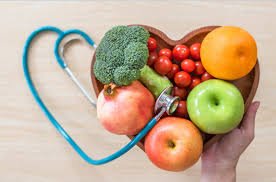
Incorporating superfoods into your daily diet is one of the most effective ways to support overall health, boost energy levels, strengthen immunity, and reduce the risk of chronic diseases. Superfoods are nutrient-dense foods that provide an abundance of vitamins, minerals, antioxidants, fiber, and healthy fats in every serving. These foods not only nourish the body but also enhance mental clarity, promote healthy digestion, and contribute to weight management. Including a variety of top superfoods in your daily diet ensures that your body receives the essential nutrients it needs to function optimally while improving overall well-being. This comprehensive guide explores the benefits of key superfoods, how to incorporate them into your daily meals, their nutritional profile, and practical tips for making them a staple in your diet. By understanding the power of superfoods and strategically including them in your daily nutrition, you can enjoy improved health outcomes and a more balanced lifestyle.
What Makes a Food a Superfood
A superfood is defined by its high concentration of nutrients that provide significant health benefits. These foods are naturally rich in antioxidants, vitamins, minerals, fiber, and healthy fats that support bodily functions, reduce oxidative stress, and promote long-term wellness. While there is no official scientific definition, nutritionists commonly categorize foods as superfoods based on their nutrient density and potential to prevent or manage health conditions. Superfoods can be fruits, vegetables, whole grains, legumes, seeds, nuts, or even certain types of fish and fermented foods. The key is that these foods provide more nutrition per calorie than average foods, helping you meet dietary needs efficiently while supporting cellular health, immunity, cardiovascular health, and metabolic balance.
Leafy Greens: Spinach, Kale, and Swiss Chard
Leafy greens like spinach, kale, and Swiss chard are foundational superfoods due to their rich vitamin, mineral, and antioxidant content. They are packed with vitamins A, C, K, and folate, which support immune function, eye health, and blood clotting. High levels of antioxidants such as lutein and zeaxanthin promote healthy vision and combat oxidative stress. Leafy greens are also rich in fiber, which aids digestion, stabilizes blood sugar, and supports heart health. Incorporating these greens into daily meals can be as simple as adding spinach to smoothies, sautéing kale with garlic, or including Swiss chard in soups and stews. These versatile greens provide a nutrient boost without adding excess calories.
Berries: Blueberries, Strawberries, and Goji Berries
Berries are renowned for their antioxidant properties, particularly anthocyanins, which protect cells from free radical damage and reduce inflammation. Blueberries, strawberries, raspberries, and goji berries are rich in vitamin C, fiber, and phytochemicals that support cardiovascular health, cognitive function, and skin health. Daily consumption of berries has been linked to improved memory, reduced oxidative stress, and enhanced metabolic function. Berries can be incorporated into breakfast cereals, smoothies, yogurt bowls, or eaten as a convenient snack. Their natural sweetness makes them an excellent choice for those seeking nutrient-dense, low-calorie foods.
Nuts and Seeds: Almonds, Walnuts, Chia, and Flaxseeds
Nuts and seeds are high in healthy fats, protein, fiber, and micronutrients such as magnesium, zinc, and vitamin E. Almonds support heart health, improve cholesterol levels, and provide sustained energy. Walnuts are rich in omega-3 fatty acids, which reduce inflammation and promote brain health. Chia and flaxseeds are excellent sources of soluble fiber, omega-3 fatty acids, and lignans, supporting digestive health and hormone balance. Including a handful of nuts or a tablespoon of seeds daily enhances nutrient intake, promotes satiety, and adds texture to meals. Nuts and seeds can be sprinkled on oatmeal, blended into smoothies, or enjoyed as a snack with fresh fruit.
Whole Grains: Quinoa, Oats, and Brown Rice
Whole grains are critical superfoods for energy, fiber, and micronutrients. Quinoa is a complete protein source containing all essential amino acids, making it ideal for plant-based diets. Oats are rich in beta-glucan, a soluble fiber that lowers cholesterol and supports heart health. Brown rice provides complex carbohydrates for sustained energy and contains magnesium, manganese, and B vitamins. Including whole grains in daily meals enhances digestive health, stabilizes blood sugar, and supports metabolic function. They can be used in salads, grain bowls, breakfast porridge, or as side dishes to main meals.
Fatty Fish: Salmon, Mackerel, and Sardines
Fatty fish are among the most potent superfoods due to their high omega-3 fatty acid content, which reduces inflammation, supports cardiovascular health, and enhances brain function. Salmon, mackerel, sardines, and trout are excellent sources of protein, vitamin D, and selenium. Consuming fatty fish two to three times a week contributes to optimal heart health, reduces the risk of chronic diseases, and supports mental well-being. Grilling, baking, or steaming fish preserves nutrients while providing delicious and easy meal options.
Legumes: Lentils, Chickpeas, and Black Beans
Legumes like lentils, chickpeas, and black beans are nutrient-dense superfoods packed with plant-based protein, fiber, iron, and folate. They help stabilize blood sugar, improve digestive health, and promote satiety, making them excellent for weight management. Legumes are versatile, suitable for soups, stews, salads, curries, and spreads. Including legumes in your daily diet supports muscle health, metabolic function, and long-term wellness.
Cruciferous Vegetables: Broccoli, Cauliflower, and Brussels Sprouts
Cruciferous vegetables are rich in vitamins C, K, folate, and powerful antioxidants such as sulforaphane, which have anti-inflammatory and anti-cancer properties. Broccoli, cauliflower, Brussels sprouts, and cabbage support liver detoxification, improve digestion, and protect against chronic diseases. Daily consumption of cruciferous vegetables contributes to cardiovascular health, reduces oxidative stress, and enhances overall nutrient intake. Steaming, roasting, or sautéing these vegetables preserves their nutrients while providing variety in meals.
Avocado: Healthy Fats and Nutrient Density
Avocado is a nutrient-dense superfood high in monounsaturated fats, fiber, potassium, and vitamins E and K. Healthy fats from avocado support heart health, hormone balance, and absorption of fat-soluble vitamins. Avocados also contain antioxidants that promote skin health and reduce inflammation. Incorporating avocado into daily meals is easy: add slices to salads, toast, smoothies, or enjoy as guacamole. Its creamy texture enhances taste while delivering essential nutrients.
Green Tea: Antioxidant Powerhouse
Green tea is a potent superfood beverage rich in catechins, a type of antioxidant that reduces inflammation, boosts metabolism, and supports cardiovascular health. Regular consumption of green tea is associated with improved mental alertness, enhanced fat metabolism, and reduced risk of chronic diseases. Drinking one to three cups of green tea daily complements a nutrient-rich diet and supports overall wellness.
Garlic and Ginger: Immune-Boosting Superfoods
Garlic and ginger are natural superfoods with potent anti-inflammatory, antioxidant, and antimicrobial properties. Garlic contains allicin, which supports cardiovascular health and immune function. Ginger aids digestion, reduces nausea, and combats inflammation. Incorporating fresh garlic and ginger into daily cooking enhances flavor and boosts overall health. They can be used in stir-fries, soups, marinades, or teas.
Turmeric: The Golden Anti-Inflammatory Superfood
Turmeric contains curcumin, a powerful antioxidant and anti-inflammatory compound that supports joint health, cardiovascular function, and brain health. Including turmeric in daily meals, combined with black pepper to improve absorption, enhances overall health benefits. Turmeric can be added to curries, soups, smoothies, and roasted vegetables.
Dark Chocolate: Antioxidants and Heart Health
Dark chocolate with at least 70% cocoa is a superfood rich in flavonoids, which improve cardiovascular health, reduce inflammation, and enhance cognitive function. Consuming a small portion of dark chocolate daily can satisfy sweet cravings while providing antioxidants that support overall wellness.
Fermented Foods: Yogurt, Kimchi, and Sauerkraut
Fermented foods contain probiotics that promote gut health, improve digestion, and enhance nutrient absorption. Yogurt, kefir, kimchi, and sauerkraut introduce beneficial bacteria into the digestive system, supporting immune function and metabolic health. Including fermented foods in your daily diet contributes to a healthy gut microbiome and overall well-being.
How to Incorporate Superfoods into Your Daily Diet
Incorporating top superfoods into your daily diet requires planning and creativity. Start by including at least one superfood in each meal. Breakfast can feature berries, oats, or avocado toast. Lunch might include leafy greens, quinoa, legumes, or fatty fish. Dinner can incorporate cruciferous vegetables, lean protein, and whole grains. Snacks like nuts, seeds, or dark chocolate ensure nutrient-dense options between meals. Smoothies, salads, soups, and stir-fries are convenient ways to include multiple superfoods in one dish. Meal prepping ensures consistent intake while reducing cooking stress during busy days.
Benefits of Daily Superfood Consumption
Regularly including superfoods in your daily diet provides numerous health benefits. Antioxidants protect cells from damage and reduce the risk of chronic diseases. Fiber supports digestion, satiety, and healthy weight management. Omega-3 fatty acids improve cardiovascular and brain health. Phytochemicals found in plant-based superfoods reduce inflammation and enhance metabolic function. By eating a variety of nutrient-dense foods daily, you create a balanced, sustainable diet that promotes long-term health.
Conclusion
Top superfoods to include in your daily diet are essential for optimal health, energy, and longevity. Leafy greens, berries, nuts and seeds, whole grains, fatty fish, legumes, cruciferous vegetables, avocado, green tea, garlic, ginger, turmeric, dark chocolate, and fermented foods provide a wide range of vitamins, minerals, antioxidants, and healthy fats that support bodily functions. Incorporating these nutrient-dense foods strategically into breakfast, lunch, dinner, and snacks ensures consistent nutrient intake, promotes disease prevention, enhances energy, and supports overall well-being. By understanding the benefits of superfoods and making them a staple in your daily nutrition, you can enjoy improved health outcomes, better digestion, stronger immunity, and a more balanced, vibrant lifestyle.