
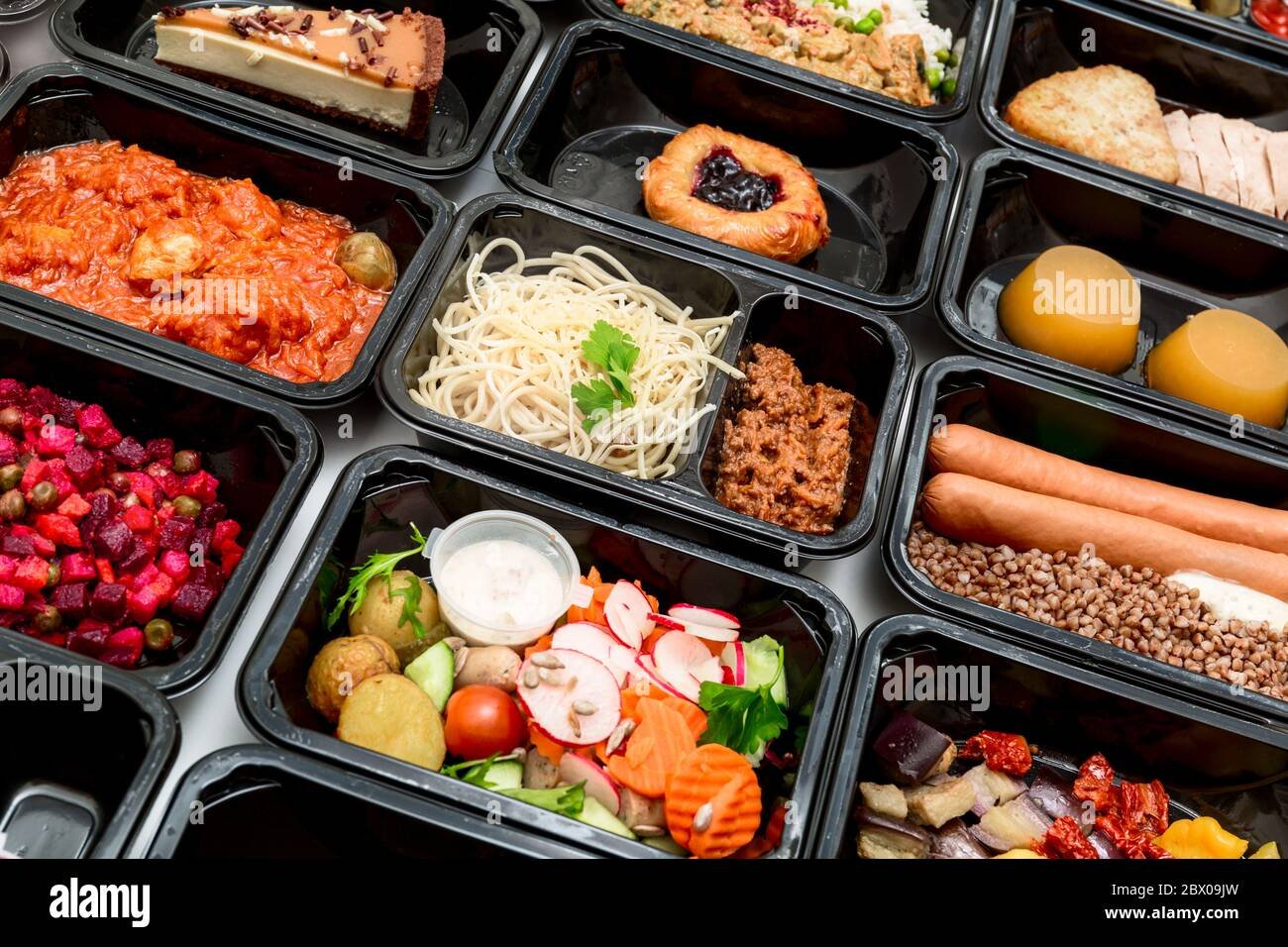
Maintaining a healthy weight is a common goal for many individuals, and a key factor in achieving this is a diet rich in low-calorie meals for weight loss. Reducing calorie intake while ensuring proper nutrition helps the body burn fat, maintain muscle mass, and improve overall health. Low-calorie meal ideas are not about deprivation or bland food; they focus on nutrient-dense, flavorful, and filling meals that support weight management. By incorporating balanced portions of lean proteins, whole grains, vegetables, and healthy fats, individuals can enjoy satisfying meals while creating a calorie deficit for effective weight loss. This comprehensive guide explores breakfast, lunch, dinner, and snack options, tips for meal planning, portion control, and practical strategies to make low-calorie eating sustainable.
Importance of Low-Calorie Meals for Weight Loss
Weight loss occurs when the body burns more calories than it consumes. Low-calorie meals help create this deficit without sacrificing essential nutrients needed for energy, metabolism, and overall health. Meals high in protein and fiber promote satiety, reduce cravings, and stabilize blood sugar levels. Low-calorie diets that are balanced prevent nutrient deficiencies, support muscle retention, and enhance metabolic efficiency. A well-designed low-calorie meal plan ensures that weight loss is gradual, sustainable, and healthy.
Principles of Designing Low-Calorie Meals
Designing low-calorie meals for weight loss requires understanding portion control, macronutrient balance, and nutrient density. Focus on lean protein sources such as chicken breast, fish, tofu, eggs, and legumes to maintain muscle and promote satiety. Incorporate complex carbohydrates like brown rice, quinoa, oats, and whole grains for sustained energy. Include plenty of vegetables for fiber, vitamins, and minerals without adding excessive calories. Healthy fats from nuts, seeds, and olive oil should be included in moderation to support hormone function and nutrient absorption. Reducing added sugars, refined grains, and high-fat processed foods helps lower calorie intake while improving overall health.
Low-Calorie Breakfast Ideas
Breakfast is a crucial meal for kick-starting metabolism and sustaining energy throughout the morning. Low-calorie breakfast ideas include vegetable omelets made with egg whites, spinach, tomatoes, and bell peppers. Smoothies made with low-fat yogurt, spinach, berries, and chia seeds provide protein, fiber, and antioxidants. Overnight oats with almond milk, cinnamon, and a few chopped nuts are filling, nutrient-dense, and easy to prepare. Avocado on whole-grain toast with a sprinkle of seeds is a satisfying option that balances healthy fats and fiber. These breakfast choices are under 400 calories yet provide sustained energy for a productive morning.
Low-Calorie Lunch Ideas
Lunch is often a challenge for those aiming to lose weight, as office meals or takeout can be high in calories. Low-calorie lunch ideas include grilled chicken or tofu salad with mixed greens, cucumbers, cherry tomatoes, and a light vinaigrette. Buddha bowls with quinoa, roasted vegetables, and chickpeas are nutrient-rich and filling. Vegetable soups with lentils or beans provide protein and fiber without excessive calories. Stir-fried vegetables with shrimp or lean meat, flavored with garlic and soy sauce, make a satisfying and low-calorie option. Portion-controlled wraps with lean protein, lettuce, and hummus offer a convenient and healthy lunch solution.
Low-Calorie Dinner Ideas
Dinner should be light, nutrient-dense, and satisfying while remaining low in calories. Baked salmon with steamed broccoli and cauliflower rice provides lean protein, omega-3 fatty acids, and fiber. Grilled vegetable skewers with marinated tofu or chicken offer a flavorful, low-calorie meal. Zucchini noodles or spaghetti squash with tomato and basil sauce serve as low-calorie alternatives to pasta. Lentil or chickpea curries with minimal oil, paired with brown rice or quinoa, make balanced meals for weight management. Incorporating vegetables, lean protein, and complex carbohydrates at dinner promotes satiety and prevents late-night snacking.
Low-Calorie Snack Ideas
Healthy snacks help maintain energy levels between meals and prevent overeating at main meals. Low-calorie snack ideas include fresh fruit slices, raw vegetables with hummus, roasted chickpeas, or air-popped popcorn. Greek yogurt with berries, a small handful of nuts, or rice cakes with avocado provide protein, fiber, and healthy fats without excessive calories. Smoothies made with spinach, cucumber, and green apple are refreshing, nutrient-rich, and low in calories. Choosing low-calorie snacks strategically supports weight loss goals while keeping hunger under control.
Meal Planning Tips for Low-Calorie Eating
Planning meals in advance is essential for successful weight loss. Creating a weekly meal plan with breakfast, lunch, dinner, and snack options reduces reliance on high-calorie convenience foods. Prepping ingredients such as chopped vegetables, cooked grains, and lean proteins saves time and ensures availability of healthy options. Tracking calorie intake and adjusting portions based on individual needs helps maintain a calorie deficit. Including variety in low-calorie meals prevents diet fatigue and ensures adequate intake of all essential nutrients.
Portion Control Strategies
Portion control is a fundamental aspect of low-calorie meal planning. Using smaller plates, measuring servings, and visually balancing protein, vegetables, and carbohydrates helps prevent overeating. Filling half the plate with vegetables, one-quarter with lean protein, and one-quarter with whole grains ensures balanced nutrition and controlled calorie intake. Snacking mindfully and avoiding second servings also reinforce portion control habits. Proper portion management enhances satiety while supporting consistent weight loss.
Incorporating Healthy Cooking Methods
Cooking methods influence the calorie content and nutritional value of meals. Low-calorie cooking methods include steaming, grilling, baking, sautéing with minimal oil, and air-frying. Avoid deep-frying, excessive butter, or high-fat sauces that increase calorie content. Using herbs, spices, citrus juice, and vinegar enhances flavor without adding unnecessary calories. Healthy cooking techniques make low-calorie meals more appealing and sustainable for long-term weight management.
Low-Calorie Meal Ideas for Vegetarians
Vegetarian meals can be rich in flavor and low in calories. Ideas include vegetable stir-fries with tofu, quinoa salads with roasted vegetables, lentil soups, chickpea and spinach curries, and stuffed bell peppers with brown rice and beans. Smoothies with plant-based protein powder, spinach, and fruits provide nutrient-dense options. Zucchini noodles with tomato sauce or vegetable wraps with hummus make satisfying low-calorie meals. Vegetarians can achieve weight loss goals while maintaining adequate protein and nutrient intake through well-planned meals.
Low-Calorie Meal Ideas for Non-Vegetarians
Non-vegetarian low-calorie meals focus on lean protein and vegetables. Grilled chicken with roasted asparagus, baked fish with sautéed greens, shrimp stir-fry with broccoli and bell peppers, and turkey lettuce wraps are excellent options. Egg-based meals like omelets with vegetables, frittatas, and poached eggs on whole-grain toast provide protein and satiety. Incorporating lean meats and seafood ensures adequate protein intake while keeping calories low, supporting weight management and muscle preservation.
Low-Calorie Desserts
Low-calorie desserts satisfy sweet cravings without sabotaging weight loss efforts. Options include Greek yogurt with honey and berries, chia seed pudding with almond milk, baked apples with cinnamon, frozen banana ice cream, and avocado chocolate mousse. Using natural sweeteners, minimal added sugar, and healthy fats creates indulgent desserts that remain low in calories. Including desserts in moderation helps adherence to a low-calorie diet without feelings of deprivation.
Benefits of Low-Calorie Meal Planning
Low-calorie meal planning promotes sustainable weight loss, supports metabolic health, improves energy levels, and reduces the risk of chronic diseases. Balanced, nutrient-dense meals prevent nutrient deficiencies, enhance digestion, and support cognitive function. Planning meals in advance reduces stress, prevents impulsive eating, and encourages healthier food choices. Consistently following low-calorie meal ideas allows for gradual, safe, and effective weight management.
Lifestyle Strategies to Support Weight Loss
Nutrition alone is not sufficient for optimal weight loss. Incorporating regular physical activity, strength training, and cardiovascular exercise complements low-calorie meal planning. Adequate sleep and stress management prevent hormonal imbalances that contribute to weight gain. Hydration supports metabolism and satiety. Combining low-calorie meals with healthy lifestyle habits accelerates weight loss while promoting overall well-being and long-term health.
Conclusion
Low-calorie meal ideas for weight loss provide a practical and sustainable approach to achieving and maintaining a healthy weight. By focusing on nutrient-dense ingredients, balanced macronutrients, portion control, and creative meal planning, individuals can enjoy flavorful, filling, and satisfying meals without exceeding calorie goals. Breakfast, lunch, dinner, snacks, and desserts can all be adapted to support weight loss while providing essential vitamins, minerals, fiber, and protein. Incorporating healthy cooking methods, mindful eating, and supportive lifestyle habits enhances results and ensures long-term success. Following these strategies allows individuals to achieve effective weight management, improved energy, and overall health, making low-calorie meals an essential component of a balanced lifestyle.