
Embarking on a weight loss journey requires more than just increasing physical activity or following a workout regimen. Nutrition plays a critical role in achieving sustainable results, and knowing which foods to avoid during a weight loss journey is just as important as knowing what to eat. Certain foods can sabotage progress by promoting excess calorie intake, triggering blood sugar spikes, slowing metabolism, or increasing fat storage. Understanding the types of foods that hinder weight loss and learning healthier alternatives empowers individuals to stay on track, maintain energy, and achieve their fitness goals effectively. Avoiding processed, high-calorie, sugary, and unhealthy fat-laden foods is a key strategy for creating a successful weight loss plan.
Understanding the Impact of Food Choices on Weight Loss
Weight loss occurs when the body burns more calories than it consumes, creating a calorie deficit. However, not all calories are equal in terms of their impact on metabolism, hunger, and fat storage. Highly processed foods, sugary beverages, and refined carbohydrates can spike blood sugar levels, increase insulin production, and promote fat accumulation, especially in the abdominal area. Foods high in saturated fats and trans fats may reduce insulin sensitivity and contribute to metabolic dysfunction. On the other hand, nutrient-dense, fiber-rich foods enhance satiety, support digestion, and maintain energy levels. Recognizing how different foods affect appetite, metabolism, and energy balance helps individuals make informed decisions and avoid items that may hinder weight loss progress.
Processed and Packaged Foods
One of the major categories of foods to avoid during a weight loss journey is processed and packaged foods. These items are often high in refined sugars, unhealthy fats, sodium, and artificial additives. Packaged snacks, instant noodles, frozen meals, and pre-packaged baked goods are convenient but often calorie-dense and nutrient-poor. Processed foods are designed to enhance taste and shelf life, which usually involves adding sugars, refined flours, and oils that contribute to weight gain. Regular consumption of such foods can lead to overeating due to low satiety levels and can trigger cravings for more high-calorie items. For a successful weight loss journey, it is essential to prioritize whole, minimally processed foods over packaged and processed options.
Sugary Beverages
Sugary beverages, including sodas, fruit juices, sweetened teas, energy drinks, and flavored coffees, are among the top foods to avoid during a weight loss journey. These drinks provide excess calories without creating a sense of fullness, often referred to as “empty calories.” High sugar content causes rapid spikes in blood glucose and insulin, leading to energy crashes and increased hunger. Regular intake of sugary beverages is strongly associated with weight gain, insulin resistance, and fat accumulation. Opting for water, herbal teas, or unsweetened beverages is a healthier alternative that supports hydration and weight management while minimizing unnecessary calorie intake.
Refined Carbohydrates and White Flour Products
Refined carbohydrates, such as white bread, white rice, pastries, cakes, and cookies, should be limited or avoided during a weight loss journey. These foods have a high glycemic index, causing rapid spikes in blood sugar followed by crashes, which can trigger overeating. They lack fiber and essential nutrients, making them less satiating than whole grains. Replacing refined carbohydrates with whole grains like quinoa, oats, brown rice, barley, or whole wheat products improves satiety, stabilizes blood sugar, and supports sustained energy levels. Choosing high-fiber carbohydrates helps manage hunger and reduces cravings, promoting healthier weight loss outcomes.
Fried and Deep-Fried Foods
Fried and deep-fried foods, including French fries, fried chicken, samosas, doughnuts, and tempura, are high in calories and unhealthy fats. These foods often contain trans fats and excess oils, which contribute to weight gain, insulin resistance, and inflammation. The high fat content slows digestion, reduces satiety signals, and can lead to overeating. Consuming fried foods regularly can sabotage a weight loss plan by increasing overall calorie intake without providing substantial nutrients. Baking, grilling, air frying, or steaming foods are healthier cooking alternatives that preserve flavor while reducing calorie and fat content.
High-Calorie Snacks
Packaged chips, cookies, candy bars, and other high-calorie snacks are convenient but can hinder weight loss efforts. These foods are often low in protein, fiber, and essential nutrients while being calorie-dense. Snacking mindlessly on such items increases daily caloric intake, promotes fat accumulation, and triggers sugar cravings. Choosing healthier snack alternatives, such as fresh fruits, raw nuts, seeds, or yogurt, helps satisfy hunger, provides essential nutrients, and supports weight management. Mindful eating and portion control further enhance the effectiveness of healthier snack choices during a weight loss journey.
Alcoholic Beverages
Alcoholic beverages, including beer, wine, cocktails, and spirits, are another category of foods to avoid during a weight loss journey. Alcohol is high in calories and can reduce inhibition, leading to overeating or unhealthy food choices. Drinking alcohol also affects metabolism by prioritizing alcohol breakdown over fat oxidation, which can slow fat loss. Excessive alcohol consumption may interfere with sleep, hormone regulation, and energy balance, further complicating weight loss efforts. Limiting alcohol intake or avoiding it entirely during a weight loss journey helps maintain calorie control, enhances fat metabolism, and supports overall health.
Ice Creams and High-Sugar Desserts
Ice creams, pastries, cakes, and other high-sugar desserts provide excessive sugar and fat, often surpassing daily caloric needs in a single serving. These foods can create blood sugar spikes, insulin resistance, and increased fat storage. Frequent consumption of sweet desserts also triggers sugar cravings, making it challenging to maintain a balanced diet. Healthier alternatives, such as fruit-based desserts, low-calorie ice creams made from yogurt or frozen fruits, and naturally sweetened baked goods, allow individuals to enjoy indulgence without compromising their weight loss goals. Moderation, portion control, and choosing nutrient-dense ingredients are key strategies for managing dessert cravings.
Sweetened Breakfast Cereals
Many breakfast cereals marketed as “healthy” are loaded with refined sugars and artificial additives. Consuming sweetened cereals can contribute to high calorie intake, blood sugar fluctuations, and subsequent hunger, making it difficult to adhere to a weight loss plan. Whole grain options without added sugar, such as oatmeal, quinoa flakes, or unsweetened muesli, are more suitable for a weight loss journey. Pairing these cereals with fresh fruits, seeds, or low-fat dairy enhances fiber, protein, and satiety while reducing overall calorie consumption.
Condiments and Sauces
Certain condiments and sauces, including mayonnaise, ketchup, barbecue sauce, and creamy dressings, can add hidden calories and sugars to meals. Overuse of these items increases caloric intake without significantly enhancing satiety or nutrition. Opting for herbs, spices, vinegar, mustard, or homemade low-calorie sauces provides flavor without unnecessary calories. Mindful use of condiments ensures that meals remain flavorful while supporting a weight loss journey effectively.
High-Sodium Foods
Excessive sodium intake from processed foods, canned goods, frozen meals, and salty snacks can lead to water retention, bloating, and increased blood pressure. While sodium does not directly cause weight gain, the associated water retention and bloating can mask fat loss progress and create discomfort. Reducing sodium intake by using fresh ingredients, cooking at home, and choosing low-sodium alternatives supports weight loss, overall health, and better metabolic function.
Foods High in Trans Fats
Trans fats, often found in commercially baked goods, margarine, and fried fast foods, negatively impact weight loss and overall health. They increase inflammation, reduce insulin sensitivity, and promote fat storage. Avoiding foods containing hydrogenated oils or trans fats is essential during a weight loss journey. Opting for natural fats from nuts, seeds, avocados, and olive oil supports metabolism, heart health, and sustainable weight management.
Mindful Eating Practices to Complement Food Choices
Avoiding foods that hinder weight loss is most effective when combined with mindful eating practices. Eating slowly, focusing on hunger cues, and avoiding distractions while eating help prevent overeating. Planning meals ahead, keeping healthy snacks accessible, and being aware of portion sizes reduce the likelihood of consuming high-calorie, nutrient-poor foods. Mindful eating also enhances enjoyment of healthier foods, reinforces positive habits, and supports long-term weight loss success.
Replacing Unhealthy Foods with Healthy Alternatives
Replacing high-calorie, low-nutrient foods with healthier alternatives is a practical strategy for weight loss. For instance, replace sugary beverages with water, herbal teas, or infused water. Swap refined carbohydrates like white bread and pasta with whole grains or legumes. Opt for baked or grilled meals instead of fried foods. Choose fruits, nuts, yogurt, or dark chocolate for snack and dessert cravings. Making gradual, sustainable substitutions supports calorie reduction while maintaining satisfaction, taste, and overall nutrition.
Planning and Preparing Meals for Weight Loss
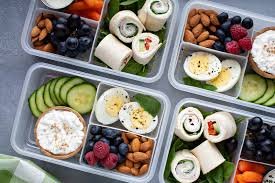
Meal planning and preparation play a crucial role in avoiding foods that hinder weight loss. Preparing meals at home allows control over ingredients, portion sizes, and cooking methods. Creating weekly meal plans with balanced proteins, fiber-rich carbohydrates, and healthy fats ensures nutrient-dense, low-calorie meals are readily available. Prepping snacks and meals in advance reduces the temptation to consume processed, high-calorie foods. Consistent meal planning strengthens discipline, reduces reliance on convenience foods, and promotes adherence to weight loss goals.
Conclusion
Understanding which foods to avoid during a weight loss journey is essential for achieving lasting results. Processed and packaged foods, sugary beverages, refined carbohydrates, fried foods, high-calorie snacks, alcohol, high-sugar desserts, sweetened cereals, condiments, high-sodium foods, and trans fats are all known to hinder weight loss progress. Combining this awareness with mindful eating, portion control, meal planning, and healthier alternatives ensures sustainable fat loss and overall wellness.
By making informed choices, replacing high-calorie, nutrient-poor foods with whole, minimally processed options, and adopting consistent healthy habits, individuals can successfully navigate their weight loss journey while enjoying a balanced, nutritious, and satisfying diet.