
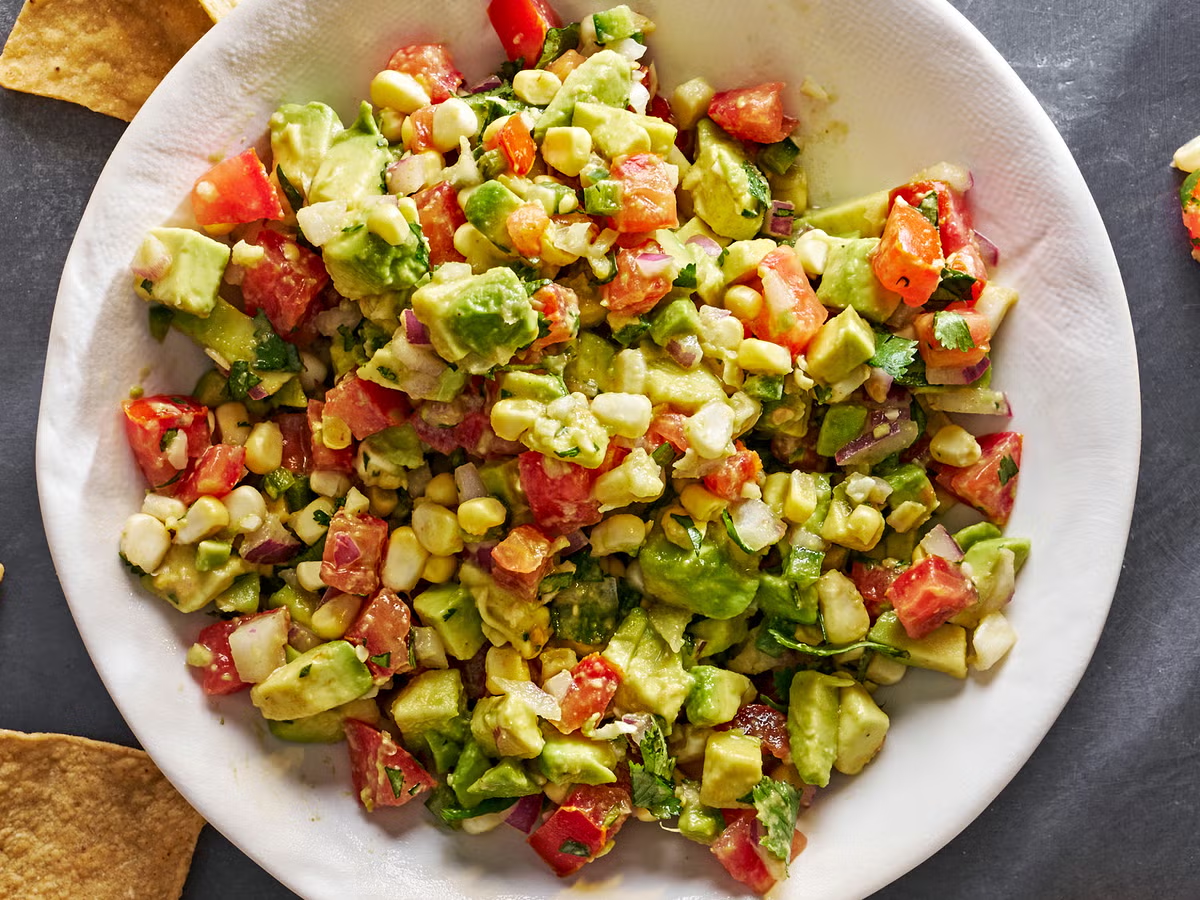
Avocado is often celebrated as a superfood due to its rich taste, creamy texture, and impressive nutritional profile. From salads and sandwiches to smoothies and desserts, avocado recipes are versatile and easy to incorporate into daily meals. Beyond its culinary appeal, avocado provides a wide range of nutrients that support heart health, digestion, immunity, and overall well-being. Understanding avocado’s nutritional value helps in making informed dietary choices, whether you are a health enthusiast, a busy professional, or someone looking to enhance the flavor and nutrition of everyday meals. This comprehensive guide explores avocado recipes, preparation techniques, health benefits, nutritional composition, and tips to maximize the nutrient intake from this popular fruit.
Nutritional Value of Avocado
Avocado is unique among fruits due to its high content of healthy fats, primarily monounsaturated fatty acids, which are beneficial for heart health. A typical serving of avocado (about 100 grams) provides approximately 160 calories, 15 grams of fat, 9 grams of carbohydrates, 7 grams of fiber, and 2 grams of protein. It is rich in vitamins such as vitamin K, vitamin E, vitamin C, and several B-complex vitamins including folate. Minerals such as potassium, magnesium, and copper are present in significant amounts. The fiber in avocado supports digestive health, while antioxidants such as lutein and zeaxanthin contribute to eye health. Its nutrient-dense profile makes avocado an ideal ingredient for maintaining a balanced diet and supporting overall health.
Health Benefits of Avocado
The health benefits of avocado are extensive due to its unique combination of nutrients. Monounsaturated fats help reduce bad cholesterol levels, supporting cardiovascular health. The fiber content promotes satiety, aids digestion, and helps maintain healthy blood sugar levels. Potassium in avocado regulates blood pressure and supports muscle function. Vitamin E and antioxidants protect cells from oxidative stress and inflammation. Folate contributes to cellular repair and is essential for pregnant women. Avocado’s anti-inflammatory properties and high nutrient density make it a valuable addition to weight management diets, heart-healthy meals, and overall wellness plans.
Popular Avocado Recipes for Breakfast
Avocado is an excellent breakfast ingredient due to its creamy texture, healthy fats, and versatility. Avocado toast topped with poached eggs, cherry tomatoes, and a sprinkle of seeds is a quick and nutritious option. Smoothies made with avocado, banana, spinach, and almond milk provide a rich, creamy, and nutrient-dense start to the day. Avocado can also be incorporated into breakfast burritos, blended into pancake batter, or served as a side with scrambled eggs and whole grain toast. These avocado recipes not only taste delicious but also provide long-lasting energy and support metabolic health throughout the morning.
Avocado Recipes for Lunch and Dinner
Avocado is perfect for adding creaminess, flavor, and nutrition to lunch and dinner dishes. Avocado salads with mixed greens, cucumbers, tomatoes, and grilled chicken or chickpeas create a balanced meal rich in protein, fiber, and healthy fats. Guacamole is a classic avocado recipe served as a dip or spread for tacos, sandwiches, and wraps. Avocado pasta sauces blended with garlic, lemon, and olive oil offer a creamy alternative to heavy cream-based sauces. For non-vegetarian meals, avocado pairs well with seafood such as shrimp, tuna, or salmon in poke bowls, sushi, or grilled preparations. Incorporating avocado into main meals enhances flavor while supporting cardiovascular and digestive health.
Avocado Recipes for Snacks and Appetizers
Avocado-based snacks are easy to prepare, satisfying, and packed with nutrients. Stuffed avocado halves with tuna, chicken salad, or quinoa provide a filling and portable option. Avocado hummus or avocado yogurt dip pairs well with vegetables or whole grain crackers for a healthy snack. Avocado bruschetta with diced tomatoes, basil, and balsamic glaze makes a quick appetizer. Avocado fries baked or air-fried offer a crunchy alternative to traditional fried snacks. These avocado recipes combine taste and nutrition, making them ideal for mid-morning or evening snacks.
Avocado Desserts and Smoothies
While often used in savory dishes, avocado’s creamy texture and mild flavor make it perfect for desserts and smoothies. Chocolate avocado mousse, avocado ice cream, avocado brownies, and avocado cheesecake are popular recipes that replace butter or cream with avocado for a healthier option. Smoothies made with avocado, berries, and plant-based milk provide a nutrient-dense dessert or snack. Avocado desserts maintain healthy fat content, reduce processed sugar, and offer antioxidants, making them a guilt-free indulgence.
Tips for Selecting and Storing Avocado
Choosing ripe avocados is crucial for successful recipes. Look for fruits that yield slightly to gentle pressure without feeling mushy. Darker skin usually indicates ripeness in varieties like Hass avocado. Unripe avocados can be ripened by placing them in a brown paper bag at room temperature for a few days. Once cut, avocado flesh can be preserved by sprinkling lemon or lime juice, wrapping tightly in plastic wrap, or storing in an airtight container in the refrigerator. Proper selection and storage maintain flavor, texture, and nutrient content for all avocado recipes.
Creative Ways to Incorporate Avocado Daily
Avocado can be incorporated into daily meals in many creative ways. Use mashed avocado as a sandwich spread instead of mayonnaise. Blend into soups for a creamy texture without adding dairy. Dice and add to grain bowls, poke bowls, or Buddha bowls for healthy fats and flavor. Mix avocado into scrambled eggs or omelets for breakfast. Combine with yogurt and spices to make creamy salad dressings. Regularly including avocado in meals enhances nutrient intake while providing versatility in flavor and texture.
Nutritional Tips When Cooking with Avocado
Cooking with avocado requires attention to preserve its nutrients. Avoid overheating or prolonged cooking, as high temperatures can reduce vitamin content. Use avocado as a garnish or add at the end of cooking to retain healthy fats and antioxidants. Pair avocado with vitamin C-rich foods like citrus or bell peppers to enhance absorption of fat-soluble nutrients such as vitamin E. When making avocado-based sauces or dressings, minimal processing preserves flavor and nutrient density. These simple nutritional tips ensure maximum benefits from avocado recipes.
Combining Avocado With Other Superfoods
Avocado pairs well with other nutrient-dense foods to create balanced meals. Combining avocado with leafy greens, nuts, seeds, and berries boosts antioxidant intake. Pairing with whole grains like quinoa, brown rice, or oats enhances fiber content. Including lean proteins such as chicken, tofu, or legumes ensures complete amino acid profiles. Avocado and fatty fish like salmon or mackerel provide omega-3 fatty acids that reduce inflammation. Combining avocado with other superfoods amplifies nutritional benefits, making meals both satisfying and health-promoting.
Health Considerations and Portion Control
While avocado is nutrient-dense and heart-healthy, it is also calorie-rich due to its fat content. Moderation is important for those monitoring calorie intake or weight management. A typical serving is around half an avocado, providing healthy fats without excessive calories. Individuals with allergies should exercise caution, though avocado allergies are rare. Pairing avocado with a balanced diet and other nutrient-dense foods ensures optimal health benefits without overconsumption.
Conclusion
Avocado is a versatile, nutrient-rich fruit that enhances both the flavor and nutritional value of meals. From breakfast to dinner, snacks, and desserts, avocado recipes provide healthy fats, fiber, vitamins, minerals, and antioxidants essential for overall well-being. Its health benefits include cardiovascular support, improved digestion, anti-inflammatory properties, and weight management assistance. By incorporating avocado into daily meals creatively, following proper storage, and being mindful of portion sizes, individuals can enjoy delicious and healthful dishes while maximizing nutrition. Understanding avocado’s nutritional value and exploring diverse avocado recipes allows for a balanced, flavorful, and immune-supportive diet suitable for modern lifestyles.