
Managing diabetes naturally through diet is a cornerstone for maintaining healthy blood sugar levels, improving insulin sensitivity, and supporting overall well-being. Diabetes, particularly type 2 diabetes, is closely linked to lifestyle factors, and dietary choices play a pivotal role in controlling glucose levels. By adopting a thoughtful and balanced eating plan, individuals can reduce dependency on medications, prevent complications, and enhance energy and vitality. Diet tips for managing diabetes naturally emphasize the inclusion of whole foods, low glycemic index carbohydrates, lean proteins, healthy fats, and fiber-rich fruits and vegetables. Along with portion control, meal timing, and mindful eating, these strategies form an effective framework for naturally managing diabetes while promoting long-term health.
Understanding Diabetes and the Role of Diet
Diabetes is a metabolic disorder characterized by elevated blood sugar levels due to inadequate insulin production or insulin resistance. Persistent high blood glucose can lead to complications such as heart disease, kidney damage, nerve damage, and vision problems. While medications and insulin therapy are essential for many patients, dietary interventions provide a natural and complementary approach to managing diabetes. A diabetes-friendly diet focuses on stabilizing blood sugar, reducing spikes after meals, and maintaining healthy weight.
Consuming complex carbohydrates, high-fiber foods, lean proteins, and healthy fats helps regulate glucose absorption and improve insulin function. Avoiding refined sugars, processed foods, and excessive saturated fats is critical for preventing blood sugar fluctuations. Understanding how food affects glucose levels empowers individuals to make informed dietary choices that support natural diabetes management.
Key Principles of a Diabetes-Friendly Diet
A well-structured diet for managing diabetes naturally is based on several key principles. First, focusing on low glycemic index (GI) foods ensures gradual absorption of glucose, preventing sudden spikes in blood sugar. Examples include whole grains like oats, quinoa, barley, and brown rice, as well as legumes and non-starchy vegetables. Second, portion control is vital to avoid overeating and maintain healthy body weight. Using smaller plates, measuring servings, and mindful eating practices help regulate food intake. Third, balanced meals containing a combination of carbohydrates, proteins, and healthy fats promote stable energy levels. Protein sources such as lean meats, fish, eggs, lentils, beans, tofu, and low-fat dairy support muscle health and satiety. Healthy fats from nuts, seeds, olive oil, and fatty fish contribute to heart health and improved insulin sensitivity. Fourth, high fiber intake from fruits, vegetables, legumes, and whole grains aids digestion and slows glucose absorption, contributing to better blood sugar control.
Foods to Include for Managing Diabetes Naturally
Certain foods have proven benefits in supporting natural diabetes management. Non-starchy vegetables such as broccoli, spinach, kale, bell peppers, and zucchini are nutrient-dense and low in calories and carbohydrates. They provide fiber, vitamins, and antioxidants that support metabolic health. Whole grains like oats, quinoa, brown rice, barley, and millet help maintain steady glucose levels. Legumes such as lentils, chickpeas, and kidney beans are excellent plant-based protein sources with a low glycemic impact.
Fruits with low glycemic index, including berries, apples, pears, and citrus, provide essential vitamins while minimizing blood sugar spikes. Lean protein sources such as fish, chicken, eggs, tofu, and Greek yogurt support muscle health and regulate satiety. Healthy fats from avocado, olive oil, nuts, and seeds contribute to heart health and reduce inflammation. Herbs and spices such as cinnamon, turmeric, fenugreek, and ginger have been studied for their blood sugar-lowering effects and can be incorporated into meals naturally.
Foods to Avoid for Diabetes Management
To manage diabetes naturally, it is crucial to minimize or avoid foods that cause rapid blood sugar increases. Refined carbohydrates such as white bread, pastries, white rice, sugary cereals, and sweetened beverages lead to glucose spikes. Processed foods containing added sugars, trans fats, and unhealthy preservatives should be limited. High-calorie snacks like chips, cookies, and candy contribute to weight gain and worsen insulin resistance. Excessive consumption of fried foods, saturated fats, and red meat may negatively affect cardiovascular health, which is a concern for individuals with diabetes. Alcohol and sweetened drinks can disrupt glucose regulation and should be consumed sparingly or avoided entirely. By replacing these foods with healthier alternatives, individuals can achieve better blood sugar control naturally.
Meal Timing and Portion Control
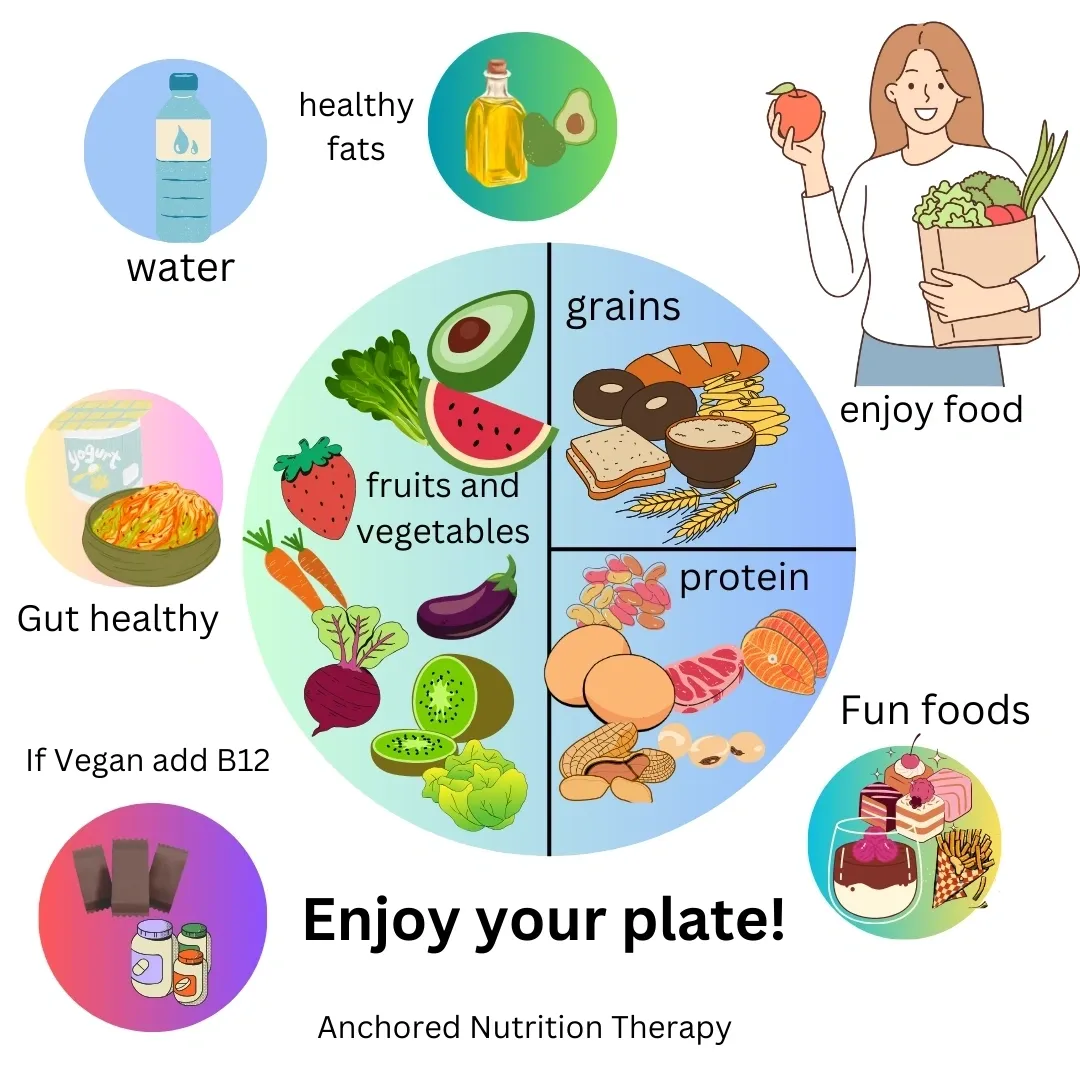
Meal timing and portion control are fundamental diet tips for managing diabetes naturally. Eating smaller, balanced meals every three to four hours helps prevent blood sugar spikes and supports metabolic stability. Incorporating snacks between meals can also prevent overeating during main meals. Using the plate method, where half the plate is filled with non-starchy vegetables, one-quarter with lean protein, and one-quarter with whole grains or starchy vegetables, is an effective portion control strategy. Mindful eating practices such as chewing food thoroughly, eating slowly, and avoiding distractions while eating promote satiety and prevent overconsumption. Planning meals ahead of time ensures balanced nutrition throughout the day and reduces reliance on unhealthy convenience foods.
Importance of Hydration in Diabetes Management
Proper hydration is often overlooked in diabetes management but is essential for natural blood sugar control. Drinking adequate water helps flush excess glucose through the kidneys, supports digestion, and reduces the risk of dehydration. Herbal teas, infused water with lemon or cucumber, and unsweetened beverages are healthy options for maintaining hydration. Avoid sugary drinks, sodas, and sweetened juices, as they can quickly raise blood glucose levels. Consistent hydration aids in overall metabolic function, enhances energy, and supports natural diabetes management strategies.
Incorporating Exercise with Diet
Combining diet with regular physical activity enhances natural diabetes management. Exercise improves insulin sensitivity, helps maintain healthy weight, and supports cardiovascular health. Moderate-intensity activities such as walking, cycling, swimming, yoga, and strength training can be incorporated into daily routines. Timing exercise after meals can help manage postprandial blood sugar levels. A combination of aerobic and resistance exercises provides optimal benefits for glucose regulation. Diet tips for managing diabetes naturally work best when paired with consistent physical activity, creating a comprehensive approach to long-term health.
Sample Daily Meal Plan for Managing Diabetes Naturally
A structured meal plan provides a practical framework for implementing diet tips for managing diabetes naturally. For breakfast, consider overnight oats with chia seeds, unsweetened almond milk, and fresh berries. A vegetable omelette with spinach, tomatoes, and mushrooms is another excellent option. Mid-morning snack options include a handful of almonds, walnuts, or an apple with peanut butter. Lunch could consist of grilled salmon or tofu with quinoa, roasted vegetables, and a side salad dressed with olive oil and lemon. Afternoon snacks may include Greek yogurt with flax seeds or cucumber sticks with hummus. Dinner options include lentil soup with brown rice and steamed vegetables, or grilled chicken with sautéed greens and roasted sweet potatoes. Consuming balanced meals with adequate protein, fiber, and healthy fats throughout the day supports steady blood sugar levels and overall diabetes management.
Herbs and Natural Supplements
Certain herbs and natural supplements may complement diet-based diabetes management. Cinnamon has been shown to improve insulin sensitivity and lower fasting blood sugar levels. Fenugreek seeds can enhance glucose tolerance and support metabolic health. Turmeric, with its active compound curcumin, has anti-inflammatory properties beneficial for individuals with diabetes. Bitter melon is traditionally used for regulating blood sugar levels. Including these herbs in cooking or consuming them in moderate, safe amounts may aid natural diabetes management. Consulting with a healthcare professional is recommended before adding supplements to your routine.
Lifestyle Tips to Support Diet for Diabetes
In addition to diet, lifestyle factors play a significant role in managing diabetes naturally. Prioritize sleep to maintain hormonal balance and support glucose regulation. Stress management techniques such as meditation, deep breathing exercises, and yoga can reduce stress-induced blood sugar fluctuations. Avoid smoking and limit alcohol consumption, as these factors negatively affect insulin function and cardiovascular health. Regular health monitoring, including checking fasting blood sugar and HbA1c levels, helps track progress and adjust dietary strategies as needed. Combining a balanced diet with a healthy lifestyle maximizes natural diabetes management outcomes.
Planning and Tracking Your Meals
Keeping a food diary or using a meal tracking app can enhance adherence to diet tips for managing diabetes naturally. Tracking meals allows you to monitor carbohydrate intake, portion sizes, and nutritional balance. Meal planning for the week in advance ensures grocery shopping efficiency, reduces food waste, and supports consistent healthy eating habits. Experimenting with new recipes, seasonal produce, and diverse cooking methods prevents monotony and makes diabetes-friendly meals enjoyable.
Conclusion
Diet tips for managing diabetes naturally emphasize balanced nutrition, low glycemic index foods, high fiber intake, lean proteins, healthy fats, and portion control. Including non-starchy vegetables, whole grains, legumes, nuts, seeds, and low GI fruits, while avoiding refined sugars and processed foods, provides a sustainable and effective approach to regulating blood sugar. Combining meal planning, hydration, regular exercise, herbs, and mindful eating practices supports overall health and reduces the risk of diabetes-related complications. By adopting these strategies, individuals can manage diabetes naturally, enhance energy levels, maintain a healthy weight, and improve quality of life while enjoying delicious and nutritious meals every day