
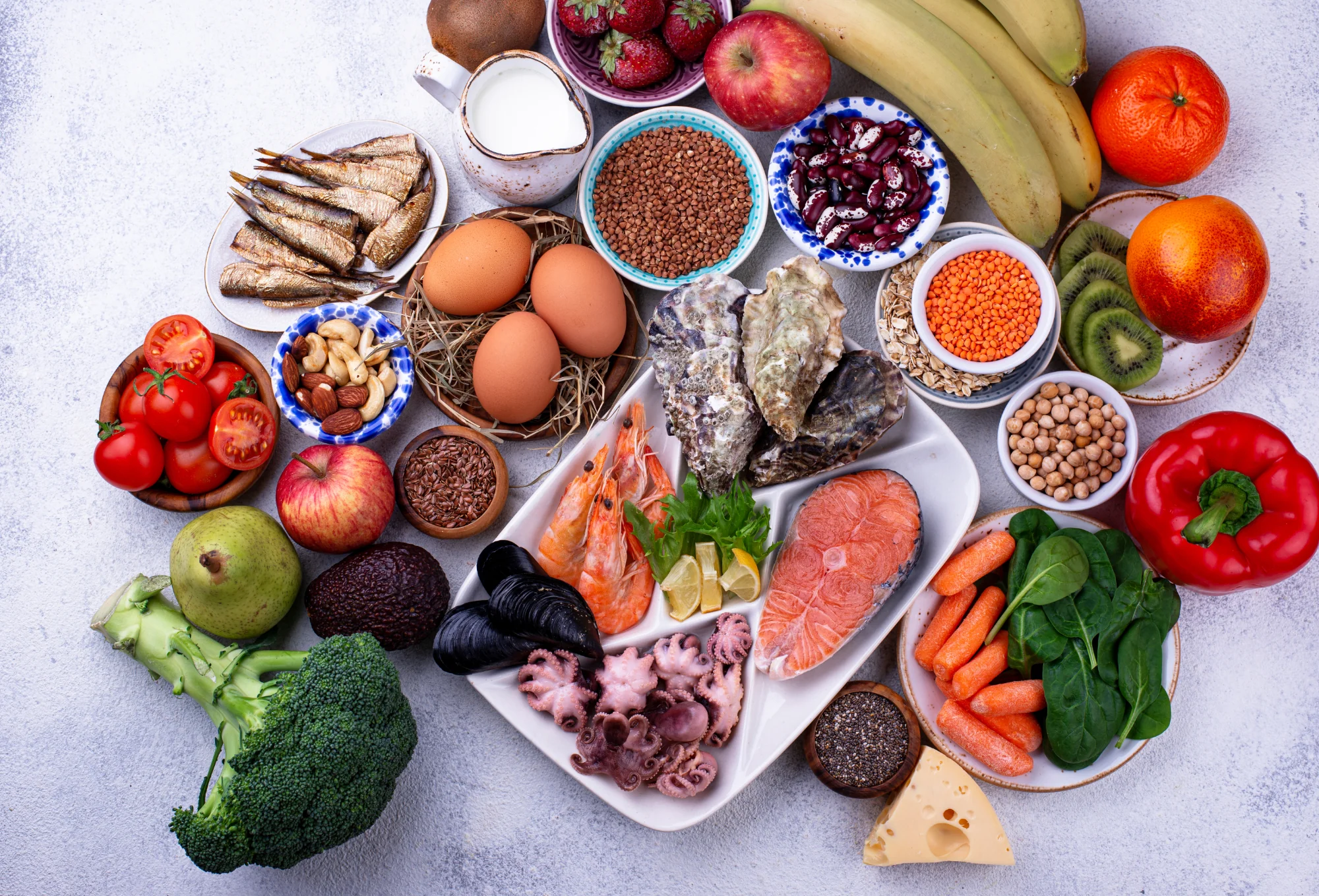
Protein is a critical nutrient for building muscle, supporting recovery, and maintaining overall fitness. High-protein foods provide the amino acids necessary for muscle repair, growth, and optimal body function. Athletes, fitness enthusiasts, and individuals seeking to stay fit must include protein-rich foods in their daily diet to support exercise performance, endurance, and metabolism. Incorporating high-protein foods not only aids in muscle development but also promotes satiety, supports fat loss, and stabilizes energy levels throughout the day. Proteins are found in both animal-based and plant-based sources, allowing flexibility for diverse dietary preferences. Understanding which high-protein foods are most effective for muscle building and fitness is essential for designing a balanced nutrition plan. High-protein foods work synergistically with strength training, cardiovascular exercise, and proper rest to maximize fitness results.
Importance of Protein in Muscle Growth
Protein is composed of amino acids, which are the building blocks of muscle tissue. During exercise, especially strength training, muscle fibers undergo micro-tears. The body repairs these fibers using amino acids from dietary protein, resulting in increased muscle size and strength. Without adequate protein, muscle recovery is delayed, performance may decline, and fat gain can increase. Protein also supports the synthesis of enzymes, hormones, and neurotransmitters that regulate metabolism, energy, and mood. Consuming high-protein foods throughout the day, particularly post-workout, enhances muscle protein synthesis and accelerates recovery. Balancing protein intake with carbohydrates and healthy fats ensures optimal nutrient utilization and sustained energy for workouts.
Animal-Based High-Protein Foods
Animal-based foods are complete protein sources, meaning they contain all essential amino acids required for muscle growth. Lean meats such as chicken, turkey, and beef are rich in protein and iron, supporting oxygen transport and energy production. Eggs are highly bioavailable protein sources with essential amino acids and nutrients like choline and vitamin B12. Dairy products such as milk, Greek yogurt, and cottage cheese provide protein, calcium, and casein, which is digested slowly to sustain muscle repair overnight. Fish, especially fatty fish like salmon and tuna, supplies protein along with omega-3 fatty acids, which reduce inflammation and improve cardiovascular health. Low-fat pork, lean cuts of lamb, and seafood such as shrimp and cod are also excellent options. Including a variety of animal-based high-protein foods ensures all essential amino acids are consumed, supporting muscle development and overall fitness.
Plant-Based High-Protein Foods
Plant-based high-protein foods are crucial for vegetarians, vegans, or those seeking more diverse nutrition. Legumes such as lentils, chickpeas, black beans, and kidney beans are rich in protein, fiber, and minerals like iron and magnesium. Soy products, including tofu, tempeh, and edamame, provide complete protein and are versatile in cooking. Quinoa is a rare plant-based source of complete protein and offers additional nutrients such as fiber, magnesium, and phosphorus. Nuts and seeds, including almonds, peanuts, chia seeds, flaxseeds, and pumpkin seeds, contribute protein, healthy fats, and micronutrients. Whole grains such as brown rice, oats, and barley add moderate protein while supporting sustained energy. Combining different plant-based proteins throughout the day ensures intake of all essential amino acids necessary for muscle repair and growth.
Protein-Rich Snacks for Fitness
High-protein snacks help maintain energy, curb hunger, and support muscle recovery between meals. Greek yogurt with nuts or seeds is a convenient, nutrient-dense snack. Hard-boiled eggs are portable and provide complete protein. Protein bars or shakes can supplement daily intake, especially post-workout. Roasted chickpeas, edamame, or mixed nuts offer a balance of protein and healthy fats. Cottage cheese with fruit combines protein and carbohydrates for sustained energy. Snack timing, particularly after workouts, is critical for muscle repair and growth. Choosing snacks high in protein helps prevent overeating, stabilizes blood sugar, and contributes to daily protein goals.
High-Protein Meals for Muscle Building
Designing meals around high-protein foods ensures consistent muscle support throughout the day. Breakfast options include eggs, egg whites, Greek yogurt, protein smoothies with plant-based or whey protein powder, and oats combined with nuts or seeds. Lunch can feature grilled chicken or fish with quinoa and vegetables, lentil salad with chickpeas, or tofu stir-fry with brown rice. Dinner options include baked salmon or turkey with sweet potatoes and steamed vegetables, or a bean and vegetable stew with whole grain bread. Balanced meals should include carbohydrates to fuel workouts and fats for hormone regulation, while protein remains the central nutrient for muscle building. Incorporating variety prevents dietary monotony and ensures a broad spectrum of nutrients for optimal fitness.
Timing and Distribution of Protein Intake
Proper timing and distribution of protein intake enhance muscle protein synthesis and fitness outcomes. Consuming protein every 3–4 hours throughout the day maximizes muscle repair and growth. Post-workout protein intake is particularly important; consuming 20–40 grams of protein within 30–60 minutes after exercise supports recovery and replenishes amino acid stores. Pre-workout protein combined with carbohydrates provides energy and reduces muscle breakdown. Protein before sleep, especially from slow-digesting sources like cottage cheese or casein protein, sustains muscle repair overnight. Strategic timing and distribution of high-protein foods throughout the day ensure continuous support for muscle development and overall fitness.
Protein Supplements for Muscle Gain
While whole foods should form the foundation of a high-protein diet, supplements can be convenient for individuals with high protein requirements or limited time. Whey protein is a fast-digesting option ideal for post-workout recovery, while casein protein digests slowly, supporting overnight muscle repair. Plant-based protein powders such as pea, soy, or rice protein are suitable for vegetarians and vegans. Protein powders can be added to smoothies, oatmeal, or baked goods to increase daily intake. Supplements should complement, not replace, whole foods, providing flexibility and convenience for maintaining high-protein intake essential for muscle growth and fitness.
Combining Protein with Strength Training
High-protein foods are most effective when combined with resistance or strength training exercises. Lifting weights, bodyweight exercises, or resistance bands create the stimulus for muscle growth. Protein provides the raw materials necessary for repairing and strengthening muscles after exercise. A diet rich in high-protein foods combined with a structured strength training program maximizes hypertrophy, endurance, and overall fitness. Tracking protein intake alongside training schedules ensures that energy and amino acid requirements are met consistently. Proper combination of nutrition and exercise accelerates results and supports long-term muscle development.
Protein for Weight Management and Fitness
High-protein foods support weight management by promoting satiety and reducing overall calorie intake. Protein-rich meals increase thermogenesis, the calories burned during digestion, supporting metabolism and fat loss. Including protein in each meal helps preserve lean muscle mass during calorie restriction, preventing metabolic slowdown. Snacks and meals high in protein stabilize blood sugar, reduce cravings, and maintain energy levels, contributing to adherence to a healthy lifestyle. Protein-focused diets, combined with regular exercise, enable individuals to build muscle, burn fat, and achieve sustainable fitness goals.
Protein-Rich Recipes for Everyday Meals
Incorporating high-protein foods into everyday meals can be simple and delicious. Breakfast options include spinach and mushroom omelets, Greek yogurt parfaits with berries and chia seeds, and peanut butter smoothie bowls. Lunch ideas include grilled chicken salad with quinoa, lentil soup with vegetables, and tofu stir-fry with brown rice. Dinner can feature baked salmon with roasted vegetables, turkey chili with beans, or tempeh curry with whole grains. Snacks include roasted chickpeas, protein balls, or cottage cheese with fruit. Creative use of spices, herbs, and sauces enhances flavor without compromising nutritional value. Consistently including these recipes ensures optimal protein intake for muscle building and fitness.
High-Protein Foods for Vegetarians and Vegans
Vegetarians and vegans can achieve sufficient protein intake with careful planning. Lentils, chickpeas, black beans, kidney beans, tofu, tempeh, edamame, quinoa, nuts, seeds, and whole grains are excellent sources. Combining different plant proteins, such as rice and beans or hummus with whole wheat bread, provides complete amino acid profiles. Plant-based protein powders, nut butters, and soy milk can supplement intake. Planning meals and snacks around these high-protein foods ensures muscle maintenance, energy, and overall fitness for those following vegetarian or vegan diets.
Protein and Recovery from Exercise
Protein is essential for recovery after workouts, reducing muscle soreness and promoting repair. Consuming protein-rich meals or shakes immediately post-workout replenishes amino acid stores, stimulates muscle protein synthesis, and enhances performance in subsequent sessions. High-protein foods also support immune function, reduce inflammation, and maintain connective tissue integrity. Combining protein with carbohydrates post-exercise replenishes glycogen stores and accelerates recovery. Strategic post-workout nutrition is crucial for achieving fitness goals, building muscle, and preventing overtraining injuries.
Common Mistakes in High-Protein Diets
Several common mistakes can hinder the effectiveness of high-protein diets. Relying excessively on supplements instead of whole foods may limit other nutrients essential for overall health. Consuming protein in irregular or insufficient amounts throughout the day can reduce muscle synthesis. Overconsumption of protein without adequate hydration may stress kidneys. Neglecting balanced intake of carbohydrates and healthy fats may compromise energy, hormone regulation, and recovery. Avoiding variety in protein sources may lead to micronutrient deficiencies. Awareness of these mistakes helps individuals design balanced, effective high-protein meal plans to build muscle and stay fit.
Conclusion on High-Protein Foods to Build Muscle and Stay Fit
High-protein foods are fundamental for muscle building, recovery, and maintaining overall fitness. Animal-based sources like chicken, fish, eggs, and dairy, combined with plant-based options such as lentils, chickpeas, tofu, quinoa, nuts, and seeds, provide the necessary amino acids for muscle repair and growth. Protein-rich snacks, meals, and supplements support energy, satiety, and metabolic function. Proper timing, distribution, and pairing with strength training enhance results. Incorporating high-protein foods consistently into a balanced diet supports fat loss, muscle development, fitness, and long-term health. By understanding nutritional requirements, selecting quality protein sources, and combining them with exercise and recovery strategies, individuals can build muscle, stay fit, and achieve sustainable health goals. A high-protein lifestyle empowers individuals to optimize performance, maintain energy, and enjoy the benefits of a strong, healthy body.