
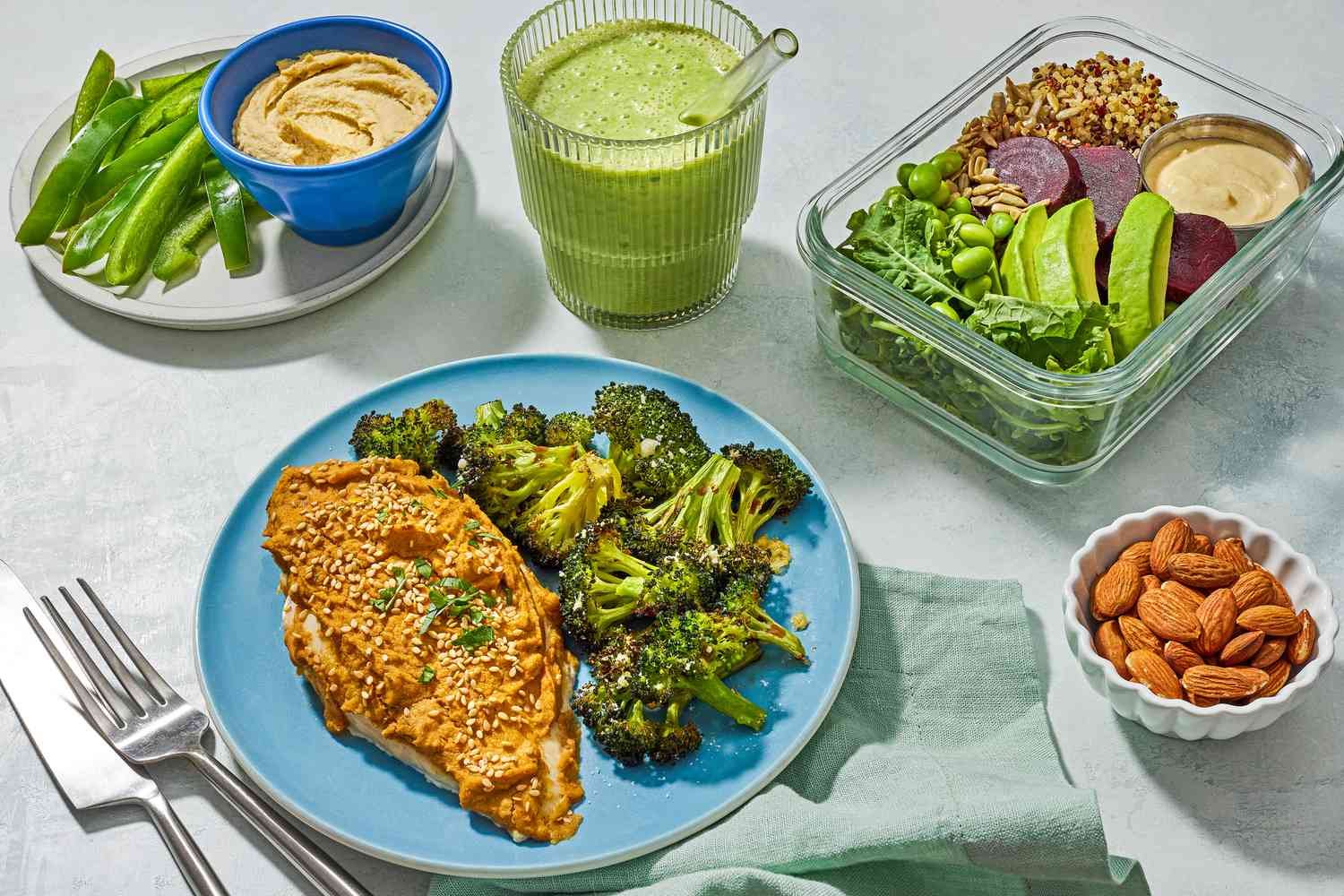
Building lean muscle requires more than just lifting heavy weights in the gym. While strength training stimulates muscle fibers, proper nutrition provides the essential building blocks for repair, recovery, and growth. A high-protein healthy meal plan for muscle building focuses on providing adequate protein intake, balanced macronutrients, sufficient calories, and nutrient-dense foods that support performance and recovery. Without the right muscle building diet plan, progress can slow, recovery may suffer, and energy levels can decline. Whether you are a beginner starting your fitness journey or an experienced athlete aiming to increase lean muscle mass, understanding how to structure a high-protein diet is essential for long-term success. This comprehensive guide explores the science behind protein for muscle growth, daily meal planning strategies, vegetarian and non-vegetarian protein sources, calorie management, pre-workout and post-workout nutrition, hydration, supplementation, and practical weekly meal ideas designed to maximize results naturally.
Why Protein Is Essential for Muscle Growth
Protein plays a critical role in muscle repair and development. During resistance training, muscle fibers experience microscopic damage. The body repairs these fibers through muscle protein synthesis, resulting in stronger and larger muscles over time. Consuming adequate protein supports this process and ensures the body has enough amino acids to rebuild tissue effectively. A high-protein healthy meal plan typically includes 1.6 to 2.2 grams of protein per kilogram of body weight daily, depending on training intensity and goals. Spacing protein intake evenly throughout the day improves absorption and supports continuous muscle repair. In addition to protein, carbohydrates replenish glycogen stores, and healthy fats regulate hormones such as testosterone, which is important for muscle building. Therefore, a balanced muscle gain diet includes all three macronutrients in appropriate proportions.
Calculating Calories for Lean Muscle Mass
Muscle building requires a slight calorie surplus, meaning you consume more calories than your body burns. However, excessive calorie intake may lead to unwanted fat gain. A clean bulk approach focuses on consuming nutrient-dense foods while maintaining moderate calorie surplus. To calculate your needs, determine your maintenance calories based on body weight, activity level, and metabolism. Add approximately 250 to 500 extra calories per day to promote steady lean muscle growth. Monitoring body composition and strength progress helps fine-tune intake. Including whole foods such as lean protein, complex carbohydrates, and healthy fats ensures quality weight gain rather than empty calories.
Best High-Protein Foods for Muscle Building
A successful high-protein meal plan includes a variety of quality protein sources. For non-vegetarian options, lean chicken breast, turkey, eggs, fish, salmon, tuna, shrimp, and lean beef are excellent choices. Dairy products such as Greek yogurt, cottage cheese, and milk provide both protein and calcium. For vegetarian muscle building diets, lentils, chickpeas, black beans, kidney beans, tofu, tempeh, paneer, quinoa, nuts, seeds, and plant-based protein powders are valuable additions. Combining complementary plant proteins ensures a complete amino acid profile. Including a mix of animal and plant protein sources enhances nutrient diversity and supports overall health.
Structuring a High-Protein Daily Meal Plan
A well-designed high-protein healthy meal plan for muscle building typically includes five to six meals per day. Eating every three to four hours maintains steady energy and continuous amino acid supply. A balanced daily plan might include breakfast, mid-morning snack, lunch, pre-workout meal, post-workout meal, and dinner. Each meal should contain a significant protein source along with carbohydrates and healthy fats. Hydration is equally important, as muscle tissue contains a high percentage of water. Drinking sufficient water supports nutrient transport and recovery.
Sample High-Protein Breakfast Ideas
Breakfast sets the tone for the day and replenishes nutrients after overnight fasting. High-protein breakfast ideas include scrambled eggs with spinach and whole-grain toast, oatmeal topped with whey protein and nuts, Greek yogurt with berries and seeds, or a tofu scramble with vegetables. Smoothies made with protein powder, banana, peanut butter, and milk provide a quick and convenient option. Including complex carbohydrates such as oats or whole-grain bread provides sustained energy for morning workouts.
Mid-Morning High-Protein Snacks
Snacks prevent muscle breakdown and maintain metabolism. Cottage cheese with almonds, boiled eggs, protein bars, roasted chickpeas, or a peanut butter sandwich on whole wheat bread are practical choices. These snacks are portable and support muscle recovery throughout the day.
High-Protein Lunch Options
Lunch should be balanced and filling. Grilled chicken with brown rice and steamed vegetables offers lean protein and fiber. A quinoa salad with chickpeas, avocado, and mixed greens supports vegetarian muscle building. Salmon with sweet potatoes provides omega-3 fatty acids that reduce inflammation and enhance recovery. Including vegetables ensures micronutrient intake for immune function and energy production.
Pre-Workout Nutrition for Strength and Performance
Pre-workout meals should contain moderate protein and carbohydrates while remaining easy to digest. Options include banana with peanut butter, yogurt with fruit, or grilled chicken with a small portion of rice. Eating one to two hours before training provides energy and prevents fatigue during intense workouts.
Post-Workout Meal for Muscle Recovery
Post-workout nutrition is crucial for muscle protein synthesis. Consuming fast-digesting protein such as whey protein shake combined with carbohydrates like fruit or rice replenishes glycogen stores and initiates recovery. A balanced meal within two hours of training optimizes muscle growth. Examples include grilled fish with rice, chicken stir fry with vegetables, or tofu with quinoa.
High-Protein Dinner Ideas
Dinner should focus on lean protein and nutrient-rich vegetables. Grilled turkey with roasted vegetables, paneer curry with brown rice, lentil soup with whole-grain bread, or baked salmon with broccoli are excellent options. Avoid excessive heavy fats at night to promote better digestion and sleep quality.
Weekly High-Protein Meal Plan Example
A weekly high-protein meal plan for muscle building may include rotating meals to prevent boredom. Monday could feature scrambled eggs, grilled chicken lunch, and salmon dinner. Tuesday may include protein oatmeal, chickpea salad, and turkey stir fry. Wednesday might incorporate Greek yogurt breakfast, tofu bowl lunch, and lean beef dinner. Continuing this rotation ensures nutrient diversity and balanced muscle gain diet support. Meal prepping on weekends simplifies weekday cooking and ensures consistency.
Importance of Carbohydrates in Muscle Building
While protein is essential, carbohydrates are equally important in a muscle building meal plan. Carbs provide energy for high-intensity workouts and replenish glycogen stores. Whole grains such as brown rice, oats, quinoa, whole wheat pasta, and sweet potatoes support sustained energy release. Insufficient carbohydrate intake may lead to fatigue and reduced performance. Pairing protein with carbs improves recovery and muscle growth outcomes.
Healthy Fats for Hormonal Balance
Healthy fats support hormone production and overall health. Include sources such as olive oil, avocados, nuts, seeds, and fatty fish. Omega-3 fatty acids reduce inflammation and support recovery. Avoid excessive trans fats and processed oils that may negatively impact performance.
Supplements for Muscle Building
Although whole foods should be the foundation of a high-protein healthy meal plan, supplements can support convenience. Whey protein powder, plant-based protein blends, creatine monohydrate, branched-chain amino acids, and multivitamins may enhance results when used responsibly. Consulting a healthcare professional before supplementation is advisable.
Hydration and Recovery
Hydration plays a key role in muscle performance and recovery. Drinking water before, during, and after workouts prevents dehydration. Electrolytes may be beneficial during intense training sessions. Adequate sleep is equally important, as muscle repair occurs during rest. Aim for seven to nine hours of quality sleep per night.
Common Mistakes to Avoid
Overeating protein without balancing carbohydrates and fats can strain digestion. Skipping meals reduces muscle protein synthesis opportunities. Relying heavily on processed protein supplements instead of whole foods may limit micronutrient intake. Consistency in both diet and training determines long-term success.
Long-Term Sustainability and Lifestyle Integration
Sustainable muscle building nutrition focuses on realistic habits rather than extreme restrictions. Enjoy occasional treats while maintaining overall dietary balance. Tracking progress through strength gains and body measurements provides motivation. Adjust calorie intake gradually as muscle mass increases.
Conclusion
A high-protein healthy meal plan for muscle building combines adequate protein intake, balanced macronutrients, proper calorie management, and strategic meal timing. By including lean protein sources, complex carbohydrates, healthy fats, and nutrient-dense vegetables, you create an environment that supports muscle repair and growth. From protein-rich breakfasts and balanced lunches to pre-workout snacks and recovery meals, every component plays a role in optimizing performance. Consistency, hydration, proper rest, and mindful supplementation further enhance results. With a structured muscle building diet plan and dedication to training, you can achieve sustainable lean muscle growth while maintaining overall health and energy.