
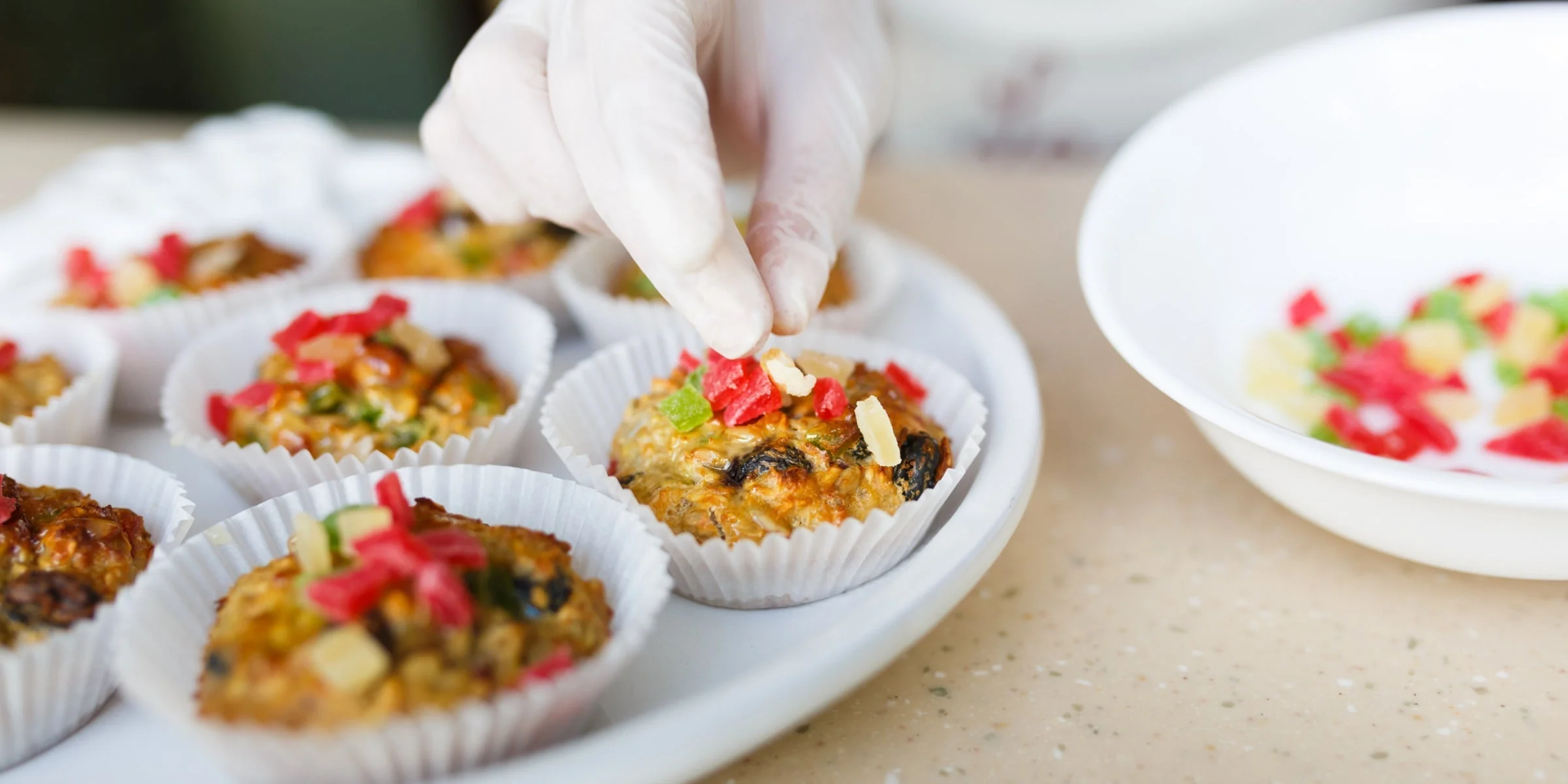
Soft and chewy homemade cookies are a timeless favorite that brings comfort and joy to people of all ages. There is something magical about biting into a freshly baked cookie with a soft center and slightly crisp edges. Achieving the perfect texture in cookies can seem challenging, but understanding the science of baking, selecting the right ingredients, and mastering mixing techniques makes it achievable every time. Homemade cookies offer the added benefit of controlling sweetness, ingredients, and portion sizes, making them a versatile treat. Secrets to soft and chewy homemade cookies involve precise measurements, quality ingredients, and attention to baking times and temperatures. By following proven strategies, you can consistently create cookies that are tender, moist, and melt in the mouth.
The Role of Ingredients in Cookie Texture
Ingredients play a vital role in determining whether a cookie turns out soft, chewy, or crisp. Flour type affects structure, with all purpose flour providing balance and bread flour increasing chewiness due to higher gluten content. Butter contributes richness and flavor, while its temperature influences spread and texture. Brown sugar adds moisture and chewiness thanks to its molasses content, whereas white sugar tends to produce crispier cookies. Eggs provide structure and binding, with extra yolks enhancing softness. Leavening agents like baking soda and baking powder determine puffiness and spread. Understanding the function of each ingredient is key to mastering the secrets of soft and chewy homemade cookies.
The Science Behind Soft and Chewy Cookies
Soft and chewy cookies are achieved through a balance of moisture, gluten development, and sugar caramelization. Using more brown sugar than white sugar retains moisture and prevents dryness. Minimizing overmixing reduces gluten formation, which can make cookies tough. Slightly underbaking cookies ensures a soft interior that continues to set as it cools. Chilling cookie dough before baking controls spread and enhances flavor. Secrets to soft and chewy homemade cookies involve manipulating these factors to create the perfect texture without compromising taste.
Choosing the Right Flour
The choice of flour is essential in achieving soft and chewy cookies. All purpose flour is commonly used because it provides the right balance of protein for structure and tenderness. Using bread flour increases chewiness due to higher gluten content, but may require adjusting liquid ratios. Cake flour can be incorporated for extra softness but may reduce chewiness. Measuring flour correctly by spooning it into the cup and leveling it avoids dense cookies. Selecting the appropriate flour type is a fundamental step in creating homemade cookies with the desired texture.
The Importance of Sugar Type and Ratio
Sugar influences both sweetness and texture in cookies. Brown sugar contains molasses that retains moisture and enhances chewiness, while white sugar produces crispier cookies with more spread. A higher brown sugar to white sugar ratio generally results in soft and chewy cookies. Using granulated sugar in combination with powdered sugar can create a slightly tender surface. Adjusting sugar types and ratios allows bakers to control chewiness, sweetness, and browning, which are critical secrets to soft and chewy homemade cookies.
Butter Temperature and Its Effect on Cookies
Butter temperature dramatically affects cookie texture and spread. Room temperature butter ensures proper creaming with sugar, creating air pockets for a tender cookie. Melted butter produces denser, chewier cookies due to increased moisture. Cold butter limits spread, resulting in thicker cookies with a slightly firmer texture. Understanding the desired outcome helps determine whether to cream, melt, or chill butter. Proper butter management is a crucial secret to achieving soft and chewy homemade cookies consistently.
The Role of Eggs in Cookie Texture
Eggs are essential for structure, moisture, and flavor in cookies. Whole eggs contribute to binding and browning, while extra yolks add richness and softness. Egg whites provide structure and crisp edges. Some cookie recipes benefit from an additional egg yolk or a combination of whole eggs and yolks to enhance chewiness without making cookies dense. Beating eggs slightly before adding to the dough ensures even distribution and smoother texture. Mastering egg usage is one of the key secrets to soft and chewy homemade cookies.
Leavening Agents: Baking Soda vs Baking Powder
Leavening agents control rise, spread, and texture in cookies. Baking soda increases browning and creates a slightly crisp edge with a soft interior by raising pH levels. Baking powder provides lift and puffiness, which can affect cookie thickness. Many soft and chewy cookie recipes use baking soda for optimal spread and texture. Understanding the interaction between leavening agents, sugar, and acid in the dough is a subtle but essential secret for achieving perfect homemade cookies.
Chilling the Dough for Better Results
Chilling cookie dough is a common secret to soft and chewy homemade cookies. Cold dough reduces spread during baking, allowing cookies to retain thickness while developing a tender center. Chilling also enhances flavor by allowing sugar and butter to meld with other ingredients. Dough can be chilled for 30 minutes to several hours depending on the recipe. Rolled and shaped chilled dough improves consistency and prevents overly thin cookies. Incorporating this step consistently elevates cookie texture and flavor.
Mixing Techniques and Gluten Development
Overmixing cookie dough activates gluten, resulting in tough cookies. Creaming butter and sugar until light and fluffy creates air pockets without overdeveloping gluten. Adding dry ingredients gradually and folding gently maintains tenderness. The mixing method affects both texture and structure. Secrets to soft and chewy homemade cookies emphasize gentle handling of the dough, ensuring balanced gluten development for a tender yet chewy bite.
Baking Temperature and Timing
Oven temperature and baking duration significantly impact cookie texture. Baking at slightly higher temperatures may create crisp edges while retaining a soft center, whereas lower temperatures may produce uniformly soft cookies but less browning. Most soft and chewy cookies bake best at 350°F (175°C) for 8–12 minutes, depending on size. Cookies should be removed when edges are set but centers appear slightly underbaked, as residual heat continues cooking the interior. Understanding these subtle adjustments is a critical secret to perfect homemade cookies.
Adding Moisture-Retaining Ingredients
Certain ingredients enhance chewiness by retaining moisture. Brown sugar, honey, molasses, maple syrup, and even corn syrup increase moisture content and prevent drying out. Adding a small amount of yogurt or applesauce can also improve softness while keeping cookies tender. Chocolate chips, peanut butter, or mashed bananas contribute flavor and moisture. Incorporating these ingredients thoughtfully ensures a consistently chewy texture.
Experimenting with Flavors and Add-Ins
Customizing cookies with different flavors and mix-ins enhances taste and appeal. Chocolate chips, nuts, dried fruits, coconut, oats, and spices like cinnamon or nutmeg add depth and texture. Some add-ins retain moisture better than others, affecting chewiness. Balancing soft and crunchy elements can elevate cookie experience. These subtle flavor adjustments are part of the secrets to soft and chewy homemade cookies, allowing bakers to create personalized treats.
Storing Cookies to Maintain Softness
Proper storage preserves the texture of soft and chewy cookies. Airtight containers prevent moisture loss, while storing with a slice of bread can help maintain softness. Cookies freeze well when individually wrapped, allowing long term storage without compromising texture. Reheating slightly before serving restores chewiness. Mastering storage techniques ensures that homemade cookies remain tender and enjoyable for days.
Troubleshooting Common Cookie Problems
Baking cookies can sometimes lead to undesired results like dryness, spread, or toughness. Common causes include overbaking, incorrect ingredient ratios, too much flour, or overmixing. Addressing these issues requires careful attention to ingredient quality, measuring accuracy, and baking times. Keeping detailed notes and adjusting recipes incrementally is part of the secrets to soft and chewy homemade cookies. Understanding the science behind each step enables consistent success.
Vegan and Alternative Ingredient Cookies
Soft and chewy cookies can also be made vegan or with alternative ingredients. Plant-based butter or coconut oil, flaxseed or chia seed eggs, and non-dairy milk maintain softness and chewiness. Coconut sugar or maple syrup replaces refined sugar while retaining moisture. Gluten-free flours like almond, oat, or rice flour can be used, often requiring additional moisture to maintain texture. These alternatives allow everyone to enjoy soft and chewy homemade cookies without compromising dietary preferences.
Creative Cookie Recipes to Try
Classic chocolate chip cookies remain the most popular, but countless variations exist. Peanut butter and dark chocolate cookies, oatmeal raisin cookies, white chocolate cranberry cookies, and double chocolate fudge cookies are all examples of soft and chewy delights. Adding spices like cardamom or cinnamon or incorporating citrus zest enhances flavor complexity. Experimenting with these recipes while applying the key secrets ensures consistently tender and chewy results.
Pairing Cookies with Beverages
Cookies are often enjoyed with complementary beverages. Milk, coffee, tea, or hot chocolate enhances the overall experience. Serving slightly warm cookies with a cold or hot drink elevates texture perception and enjoyment. Understanding flavor pairing and temperature contrasts is a subtle part of the secrets to soft and chewy homemade cookies, creating a complete sensory experience.
Healthier Variations of Soft Cookies
Soft and chewy cookies can be made healthier without sacrificing texture. Whole wheat flour, oats, natural sweeteners like honey or maple syrup, and reduced sugar content maintain chewiness while boosting nutrition. Incorporating nuts, seeds, or dried fruits adds fiber, protein, and antioxidants. Using unsweetened cocoa or dark chocolate reduces sugar intake while preserving flavor. These adaptations make it possible to enjoy indulgent cookies in a mindful way.
Conclusion on Secrets to Soft and Chewy Homemade Cookies
Soft and chewy homemade cookies are a delightful treat that can be mastered with attention to ingredient selection, dough preparation, and baking techniques. The secrets to soft and chewy homemade cookies include using the right balance of brown and white sugar, managing butter and egg temperature, selecting proper flour, chilling dough, controlling mixing and baking time, and adding moisture-retaining ingredients.
Experimenting with flavors, storing cookies properly, and considering dietary alternatives ensures versatility and consistency. By understanding the science behind cookie baking and applying these proven strategies, anyone can create soft, chewy, and irresistible cookies that bring joy to every bite.