
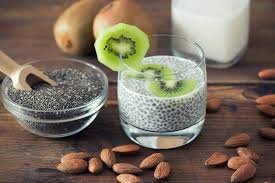
Introduction to Chia Seeds
Chia seeds have emerged as one of the most popular superfoods in recent years due to their exceptional nutritional profile, versatility, and health benefits. Native to Central America, chia seeds were a staple food for the Aztecs and Mayans, valued for their ability to provide sustained energy and endurance. Today, chia seeds are widely recognized as a nutrient-dense ingredient, rich in omega-3 fatty acids, protein, fiber, antioxidants, vitamins, and minerals. They are tiny, oval seeds that can be black, white, or gray, and despite their small size, they offer an impressive range of nutrients. The ultimate guide to chia seeds explores their health benefits, culinary uses, methods of consumption, and tips for incorporating them into a modern diet. With growing awareness about healthy eating and plant-based nutrition, chia seeds have become a staple in smoothies, breakfast bowls, baked goods, and even beverages. Understanding how to use chia seeds effectively allows individuals to maximize their health benefits while adding texture, flavor, and nutritional value to daily meals.
Nutritional Profile of Chia Seeds
Chia seeds are a powerhouse of nutrients, providing a wide array of vitamins, minerals, and macronutrients essential for overall health. They are an excellent source of omega-3 fatty acids, particularly alpha-linolenic acid (ALA), which supports heart and brain health. Chia seeds contain high-quality plant-based protein, making them suitable for vegetarians and vegans. Their rich fiber content promotes digestive health, supports satiety, and aids in weight management. Chia seeds are also loaded with calcium, magnesium, phosphorus, and manganese, contributing to bone health and metabolic function. Antioxidants in chia seeds help combat oxidative stress and reduce inflammation. Additionally, chia seeds are low in calories and carbohydrates while providing sustained energy, making them an ideal addition to a balanced diet. The combination of nutrients in chia seeds positions them as a functional food that supports cardiovascular health, digestion, weight management, and overall well-being.
Health Benefits of Chia Seeds
Chia seeds offer numerous health benefits due to their dense nutritional composition. Their high omega-3 content supports heart health by reducing inflammation, lowering cholesterol levels, and improving blood pressure. Fiber in chia seeds aids in digestion, prevents constipation, and promotes a healthy gut microbiome. Chia seeds help regulate blood sugar levels, making them beneficial for individuals with diabetes or insulin resistance.
Their protein content supports muscle repair, growth, and satiety, assisting in weight management and energy maintenance. Antioxidants protect the body from free radical damage, reducing the risk of chronic diseases. Additionally, chia seeds provide essential minerals for bone strength and metabolic function. Consuming chia seeds regularly may also improve cognitive function, skin health, and overall vitality. The versatility of chia seeds allows them to be integrated into various diets, ensuring that individuals can benefit from their nutritional advantages consistently.
Types of Chia Seeds
Chia seeds are generally available in two main varieties: black chia seeds and white chia seeds. Both types offer similar nutritional benefits and can be used interchangeably in recipes. Black chia seeds are slightly more common and widely available in grocery stores, while white chia seeds are considered more visually appealing for culinary presentation. Some chia seed products are sold as whole seeds, while others are ground or milled to facilitate easier digestion and nutrient absorption. Specialty chia products, such as organic or sprouted chia seeds, offer enhanced nutritional properties and are preferred by health-conscious consumers. Understanding the types of chia seeds and their specific uses allows for better recipe planning, nutrient optimization, and culinary creativity.
How to Prepare Chia Seeds for Consumption
Chia seeds can be consumed in various forms, depending on personal preference and digestive comfort. Whole chia seeds can be added directly to foods, although soaking them in water or milk allows them to expand and form a gel-like consistency, enhancing digestibility. The soaking process, often called “hydrating chia seeds,” usually takes 15–30 minutes but can also be done overnight for maximum texture. Ground chia seeds can be used in smoothies, baked goods, and sauces for better nutrient absorption. Chia seeds can also be mixed with yogurt, oatmeal, or cereal, sprinkled on salads, or incorporated into energy bars. Proper preparation ensures that chia seeds maintain their nutritional benefits while providing versatility in culinary applications.
Culinary Uses of Chia Seeds
Chia seeds are incredibly versatile and can be used in a wide range of recipes. They can be added to smoothies for extra fiber and protein, creating a thicker texture and prolonged satiety. Chia pudding, made by soaking seeds in milk or plant-based alternatives, is a popular breakfast or dessert option. Chia seeds can be used as an egg substitute in vegan baking, combining one tablespoon of chia seeds with three tablespoons of water to replace one egg. They can be incorporated into granola, energy bars, muffins, bread, and pancake batters for added nutrition. Sprinkling chia seeds on salads, yogurt, and soups enhances crunch and nutrient density. Beverages such as chia lemonade, chia fresca, or infused water provide a refreshing way to consume chia seeds. Their mild, neutral flavor allows them to be paired with both sweet and savory dishes, making them a versatile ingredient in everyday cooking.
Chia Seeds for Weight Management
Chia seeds are highly beneficial for individuals aiming to manage their weight due to their high fiber and protein content. The soluble fiber in chia seeds absorbs water and expands in the stomach, promoting a feeling of fullness and reducing appetite. Protein in chia seeds contributes to satiety and supports muscle maintenance, which is essential for boosting metabolism. Incorporating chia seeds into meals or snacks helps regulate calorie intake naturally. Chia seeds can be added to breakfast bowls, smoothies, or salads to prolong satiety throughout the day. Regular consumption, combined with a balanced diet and physical activity, supports weight loss and prevents overeating. Chia seeds are an effective, natural tool for achieving sustainable weight management goals.
Chia Seeds for Heart Health
Omega-3 fatty acids in chia seeds play a significant role in supporting heart health. ALA, the plant-based omega-3 in chia seeds, helps reduce inflammation, lower blood pressure, and improve cholesterol levels. Fiber in chia seeds reduces LDL cholesterol and promotes overall cardiovascular function. Regular consumption of chia seeds may reduce the risk of heart disease, stroke, and other cardiovascular conditions. Including chia seeds in a heart-healthy diet, alongside fruits, vegetables, whole grains, and lean proteins, enhances cardiovascular wellness. Simple additions such as chia seeds in oatmeal, smoothies, or salads make it easy to incorporate heart-protective nutrients into daily meals.
Chia Seeds for Digestive Health
Chia seeds are an excellent source of soluble and insoluble fiber, supporting optimal digestive health. Soluble fiber forms a gel in the digestive tract, slowing digestion and improving nutrient absorption. Insoluble fiber adds bulk to stool, preventing constipation and promoting regular bowel movements. Chia seeds act as prebiotics, nourishing beneficial gut bacteria and supporting a healthy microbiome. Consuming chia seeds regularly improves digestion, reduces bloating, and maintains gut integrity. They can be incorporated into puddings, oatmeal, or sprinkled on yogurt for easy digestion and optimal gut health. Adequate hydration when consuming chia seeds enhances their digestive benefits and prevents discomfort.
Chia Seeds for Bone and Muscle Health
Chia seeds are rich in minerals such as calcium, phosphorus, magnesium, and manganese, which are essential for maintaining strong bones and teeth. These nutrients, combined with protein, support muscle repair, growth, and overall skeletal health. Regular consumption of chia seeds helps reduce the risk of osteoporosis, particularly in older adults and postmenopausal women. Chia seeds are also beneficial for athletes and active individuals, providing sustained energy, protein for muscle maintenance, and anti-inflammatory antioxidants. Including chia seeds in meals such as smoothies, yogurt bowls, or energy bars contributes to long-term musculoskeletal health and functional strength.
Chia Seeds for Skin and Anti-Aging Benefits
The antioxidants in chia seeds, including flavonoids, phenolic compounds, and omega-3 fatty acids, protect the skin from oxidative stress and premature aging. Omega-3s reduce inflammation, support skin hydration, and maintain elasticity. Chia seeds can be consumed directly or used in DIY face masks and scrubs when ground into a paste. Regular intake of chia seeds improves skin texture, reduces dryness, and promotes a youthful appearance. Combining chia seeds with other nutrient-rich foods such as fruits, yogurt, or nuts enhances their skin-boosting effects. Incorporating chia seeds into daily diet routines contributes to overall anti-aging benefits and skin health.
Chia Seeds in Beverages and Snacks
Chia seeds are often used in beverages for hydration and nutrition. Chia fresca, a traditional Mexican drink, combines water, chia seeds, lemon, and sweetener for a refreshing and hydrating beverage. Chia seeds can be added to juices, smoothies, and herbal teas for added texture and nutrients. As snacks, chia seeds can be incorporated into granola bars, energy balls, crackers, or sprinkled on popcorn. Their ability to absorb liquid and form a gel makes them versatile for creating satiating snacks that are nutrient-dense and easy to prepare. Using chia seeds creatively in beverages and snacks ensures consistent consumption and health benefits.
Storage and Shelf Life of Chia Seeds
Proper storage of chia seeds ensures longevity and nutrient retention. Chia seeds should be kept in an airtight container in a cool, dry place away from direct sunlight. Refrigeration or freezing extends shelf life and prevents rancidity. Whole chia seeds have a longer shelf life compared to ground chia seeds, which are more prone to oxidation. Regularly checking for freshness and odor is important for maintaining quality. Proper storage preserves the nutritional integrity of chia seeds and allows for convenient use in recipes over time.
Precautions and Considerations
While chia seeds are generally safe for consumption, certain precautions should be considered. Individuals with chia seed allergies should avoid them. Consuming chia seeds in excess without adequate hydration can cause digestive discomfort or bloating. People on blood-thinning medications should consult a doctor due to the high omega-3 content. Chia seeds can interact with medications for blood pressure or diabetes, so moderation and medical advice are essential for specific health conditions. Starting with small amounts and gradually increasing intake helps the body adapt to the high fiber content. Awareness of potential precautions ensures safe and effective use of chia seeds.
Conclusion on Chia Seeds and Their Uses
Chia seeds are an exceptionally versatile and nutrient-dense superfood that can be incorporated into a wide range of recipes and diets. From supporting heart health, digestion, weight management, bone strength, muscle maintenance, skin health, and anti-aging benefits, chia seeds offer comprehensive health advantages. Their culinary uses span from smoothies, puddings, baked goods, snacks, and beverages to vegan egg substitutes, making them suitable for various dietary preferences.
Proper soaking, preparation, and storage optimize nutrient absorption and texture. Understanding their nutritional profile, health benefits, and practical applications allows individuals to maximize the value of chia seeds in daily life. Incorporating chia seeds consistently into meals and snacks promotes overall wellness, energy, and vitality. The ultimate guide to chia seeds equips readers with the knowledge and inspiration to enjoy this superfood in creative, nutritious, and health-enhancing ways every day.