Introduction
Starting a healthy lifestyle does not need to be difficult or expensive. Many beginners believe they must follow strict diets or stop eating their favorite foods completely, but healthy eating is actually about balance and consistency. A simple and balanced diet plan can help improve your energy, digestion, and overall health without making daily life stressful.
Most people want to eat healthier but feel confused because there is too much information online. Some diets remove entire food groups while others recommend expensive foods that are not practical for everyday life. The truth is that a beginner-friendly diet should be simple, realistic, and easy to follow at home.
Following a balanced diet plan for beginners at home can help you build healthier habits naturally. At Nutri Meal Food, we believe healthy eating should feel practical and sustainable instead of strict and complicated.
What is a Balanced Diet
A balanced diet means eating different types of foods in the right amounts so your body gets the nutrition it needs.
Your body requires carbohydrates, protein, healthy fats, vitamins, minerals, and water to function properly. When your meals include a good balance of nutrients, your body feels more active and energetic throughout the day.
Healthy eating is not about eating less food. It is about choosing foods that support your body and help maintain long-term health.
Why Beginners Should Start Simple
Many people fail to maintain healthy eating habits because they try to change everything at once. Strict diet rules often become stressful and difficult to follow for a long time.
Beginners should focus on small improvements instead of trying to become perfect immediately. Simple habits are easier to maintain and usually create better long-term results.
Healthy living works best when it fits naturally into your daily routine.
Start Your Day with Water
One of the easiest healthy habits for beginners is drinking water after waking up.
After sleeping for several hours, your body needs hydration. Drinking a glass of warm water in the morning helps refresh your body and supports digestion.
This small morning habit can help you feel lighter and more active throughout the day.
Importance of a Healthy Breakfast
Breakfast gives your body energy after a long night without food. Skipping breakfast may leave you feeling weak, tired, or extra hungry later in the day.
A healthy breakfast does not need to be complicated. Simple homemade meals can provide enough nutrition and help improve focus during the morning.
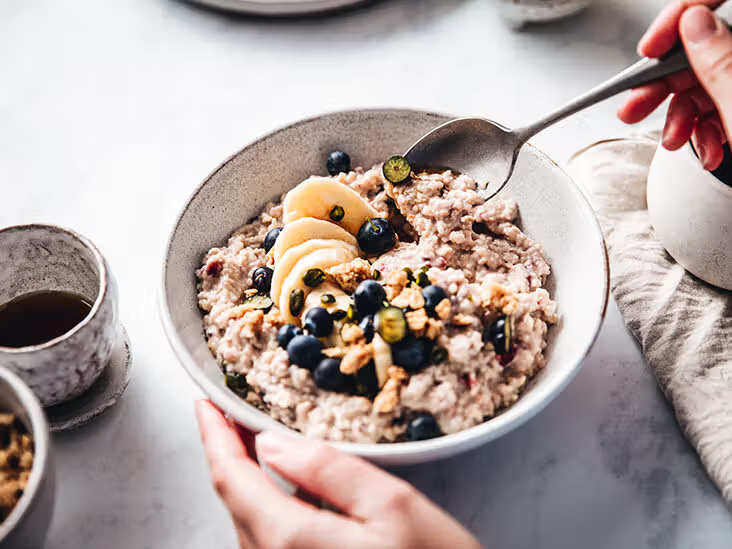
Foods like oats, fruits, eggs, poha, and whole wheat toast are easy options for beginners who want healthier eating habits.
Starting your day with a balanced breakfast also helps reduce unhealthy cravings later.
Include Protein in Daily Meals
Protein is important for strength, recovery, and maintaining energy levels. It also helps you stay full for longer periods, which may reduce unnecessary snacking.
Many beginners think protein only comes from supplements or gym diets, but natural foods are often enough.
Simple protein-rich foods include eggs, dal, paneer, curd, milk, beans, and nuts. These foods are affordable and easy to include in homemade meals.
Adding protein to your meals can make your diet feel more balanced and satisfying.
Eat More Fruits and Vegetables
Fruits and vegetables are an important part of a balanced diet because they provide vitamins, minerals, and fiber.
They support digestion, improve immunity, and help your body stay active naturally. Fresh fruits can also satisfy sweet cravings in a healthier way.
Beginners should try adding simple fruits and vegetables to daily meals instead of making complicated diet plans.
Foods like bananas, apples, carrots, cucumbers, spinach, and tomatoes are affordable and easy to include in home cooking.
Importance of Drinking Enough Water
Water is one of the most ignored parts of healthy living.
Many people drink tea, coffee, or sugary drinks throughout the day but forget to drink enough water. Poor hydration may lead to tiredness, headaches, and low energy.
Drinking water regularly supports digestion and helps your body function properly. Carrying a water bottle during the day can help build this healthy habit.
Small hydration improvements can make a noticeable difference in daily energy levels.
Choose Home-Cooked Meals
One of the best things beginners can do is eat more home-cooked meals.
Homemade food is usually healthier because you can control the ingredients, oil, and portion size. Outside food often contains extra salt, sugar, and unhealthy fats.
Simple homemade meals like dal, rice, vegetables, roti, and curd can provide balanced nutrition without being expensive.
Healthy eating does not require fancy recipes. Simple meals made consistently are often enough.
Reduce Junk Food Slowly
Many beginners make the mistake of removing all junk food immediately, which often becomes difficult to maintain.
Instead of strict restrictions, try reducing unhealthy snacks gradually. Replacing some processed foods with healthier alternatives can help create sustainable habits.
Fruits, nuts, roasted chana, yogurt, and homemade sandwiches are simple alternatives to packaged snacks.
Healthy eating works better when changes feel realistic.
Understand Portion Control
Balanced eating is not only about choosing healthy foods. Portion size also matters.
Eating too much food at one time can make you feel heavy and uncomfortable. Beginners should focus on eating slowly and paying attention to hunger instead of overeating.
Your body usually tells you when you are full if you eat mindfully and avoid rushing meals.
Balanced portions can improve digestion and help maintain steady energy levels.
Follow Regular Meal Timings
Irregular eating habits can affect digestion and energy levels. Skipping meals or eating very late at night may create unhealthy patterns.
Beginners should try maintaining simple meal timings that fit into their daily routine.
Regular meal timings help your body function more efficiently and may reduce unhealthy cravings throughout the day.
Healthy eating becomes easier when your routine feels organized.
Healthy Snacking Habits
Snacking is not unhealthy when you choose the right foods.
Many people feel hungry between meals, and healthy snacks can help maintain energy levels without depending on junk food.
Simple snacks like fruits, nuts, boiled eggs, yogurt, or roasted makhana are easy and practical options for beginners.
Healthy snacks should support your energy instead of making you feel heavy.
Physical Activity Supports a Healthy Diet
A balanced lifestyle includes both healthy eating and movement.
Beginners do not need intense exercise or complicated fitness routines. Simple activities like walking, stretching, or staying active during the day can improve overall health naturally.
Physical activity supports digestion, improves mood, and helps maintain energy levels.
Even small daily movement can make a difference over time.
Importance of Proper Sleep
Sleep is closely connected to healthy living.
Poor sleep may increase cravings, reduce energy, and affect focus during the day. When your body gets enough rest, it becomes easier to maintain healthy habits.
Beginners should try maintaining a regular sleep schedule and avoid heavy meals late at night.
Good sleep supports both physical and mental well-being.
Avoid Extreme Dieting
Many people believe fast results come from strict dieting, but extreme diets are difficult to maintain and often create stress.
Healthy living is about consistency, not perfection. Simple and realistic habits usually work better than strict short-term plans.
Beginners should focus on gradual improvements instead of trying to completely change their lifestyle overnight.
Build Healthy Habits Slowly
One of the best ways to maintain a balanced diet is by building habits step by step.
Start with small changes like drinking more water, eating fruits regularly, or reducing sugary drinks. Once these habits become normal, you can slowly improve other areas of your routine.
Long-term health comes from consistency and patience.
Simple Daily Diet Plan for Beginners
A beginner-friendly diet does not need to be complicated.
In the morning, start your day with warm water and a simple breakfast like oats or eggs. During lunch, include homemade meals like dal, rice or roti, vegetables, and curd. In the evening, choose healthy snacks instead of packaged foods. Keep dinner light with simple vegetables, soup, or khichdi.
This type of routine is affordable, practical, and easy to maintain at home.
Final Thoughts
Following a balanced diet plan for beginners at home can help improve your lifestyle naturally. Healthy eating does not require strict rules, expensive foods, or unrealistic goals.
Simple meals, enough water, proper sleep, and consistent habits are often enough to support better health and energy.
At Nutri Meal Food, we believe healthy living should feel practical and sustainable for everyday life. Start small, stay patient, and focus on building habits that you can maintain long term.